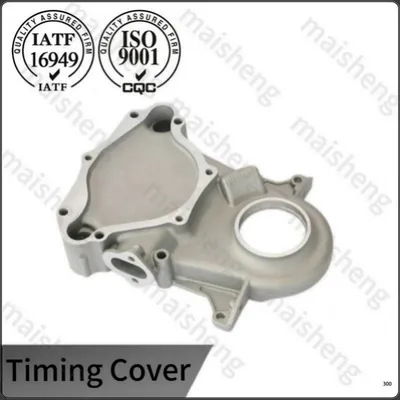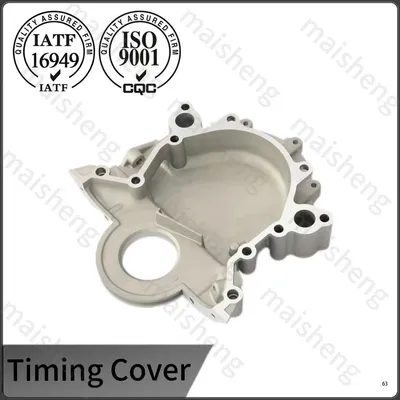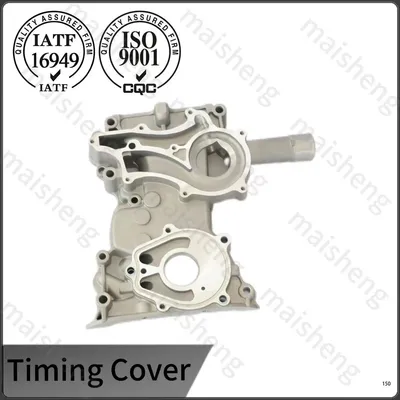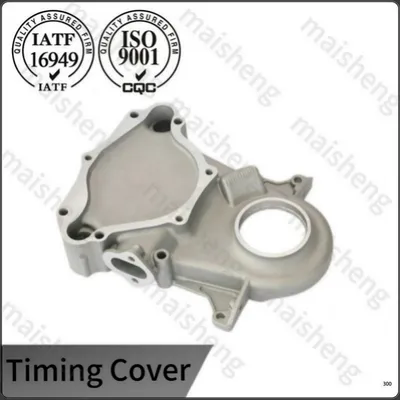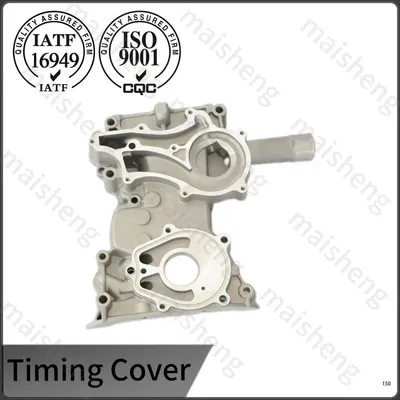



When diesel engines operate under high loads, vibration and continuous thermal cycling, every protective component must maintain structural stability and sealing performance. Maisheng manufactures Diesel Engine Timing Case Cover solutions for heavy-duty machinery, generator sets, commercial vehicles and aftermarket applications, supporting OEM customization, bulk purchasing and replacement projects.
A timing case cover is more than a protective shell around the engine timing system. It helps seal the timing compartment, prevent oil leakage, block dust and contaminants, and protect timing gears, chains or belts from external mechanical damage. For diesel engines used in demanding environments, material selection, dimensional accuracy, sealing design, surface protection and leak testing all influence service reliability. This guide explains how a timing case cover works, which manufacturing factors matter most, how quality is evaluated, and what buyers should consider when sourcing an OEM or replacement component.
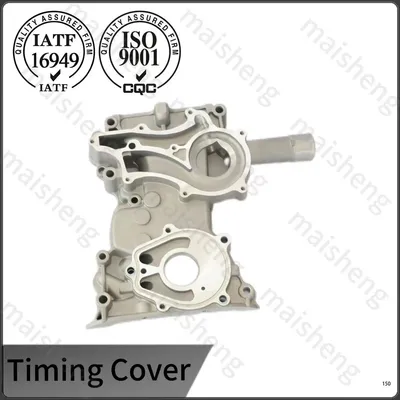
Table of Contents
- What Does a Diesel Engine Timing Case Cover Do?
- Which Features Matter Most in a Quality Timing Case Cover?
- Diesel Engine Timing Case Cover Specifications
- How Is a Timing Case Cover Manufactured?
- How Does Quality Control Improve Reliability?
- Where Are Timing Case Covers Used?
- How Should Buyers Select the Right Timing Case Cover?
- Frequently Asked Questions
What Does a Diesel Engine Timing Case Cover Do?
The timing case cover forms an important protective and sealing boundary at the front of a diesel engine. Behind the cover are timing components responsible for synchronizing critical engine operations. Depending on the engine architecture, the protected system may include timing gears, chains, belts, shafts and associated components.
Its first role is mechanical protection. The cover creates a physical barrier against dust, water, road debris and accidental external impact. This is particularly important for commercial vehicles, generator sets and off-highway equipment operating in dusty or wet environments.
Its second role is sealing. A properly machined cover works with a gasket and oil seal to help prevent lubricant from escaping from the timing compartment. Poor flange flatness, incorrect mounting dimensions or damaged sealing surfaces can create leakage paths that eventually increase maintenance requirements.
The cover also contributes to overall engine durability by maintaining stable geometry under vibration and temperature changes. A rigid, accurately manufactured structure reduces the risk of deformation around mounting points and sealing surfaces during long operating cycles.
Which Features Matter Most in a Quality Timing Case Cover?
A suitable timing cover should be evaluated according to the engine's operating environment rather than appearance alone. Several engineering characteristics directly affect long-term performance.
1. Heat Resistance and Dimensional Stability
Diesel engines can experience substantial temperature fluctuations from cold starts to sustained operating conditions. Aluminum alloy is commonly selected for timing covers because it provides efficient heat transfer while maintaining a relatively low component weight. Stress relief after casting can further help reduce internal material tension before precision machining.
2. Accurate Sealing Surfaces
The gasket flange and oil-seal area need accurate machining to create a dependable sealing interface. CNC machining of critical surfaces and locating features helps maintain dimensional consistency between production batches.
3. Reinforced Structural Design
A properly designed cover needs enough rigidity to withstand engine vibration without unnecessary material weight. Ribbed structures and reinforced mounting bosses can increase stiffness while distributing bolt clamping forces more evenly.
4. Surface Protection
Engine components can be exposed to coolant spray, road salt, fuel and moisture. Protective treatments such as powder coating or electrophoretic coating can provide an additional corrosion barrier and help protect the aluminum substrate during extended service.
Diesel Engine Timing Case Cover Specifications
The following specifications summarize the product configuration offered by Maisheng and illustrate the key information buyers should review before placing an order.
| Specification | Details |
|---|---|
| Material | Aluminum |
| Component Type | Engine Timing System Component |
| Certification | ISO 9001, IATF 16949 |
| Customization | Dimensions, mounting holes and logo |
| Applications | Heavy-duty machinery, generator sets, commercial vehicles and aftermarket replacement |
| Production Capacity | 1,500 pieces per week |
| MOQ | 1 piece |
| Origin | China |
| Packaging | Bulk export packaging |
These specifications are particularly useful for distributors and engineering buyers comparing replacement parts from different suppliers. For custom projects, the final specification should be confirmed against the customer's drawing, original sample or engine requirements.
How Is a Timing Case Cover Manufactured?
Manufacturing quality depends on controlling the complete production process rather than relying only on final inspection. A typical production workflow includes several controlled stages:
- Casting: Aluminum die casting or another approved casting process forms the basic housing geometry.
- Stress Relief: Heat treatment or stress-relief processing may be applied where required to reduce residual internal stress.
- CNC Machining: Critical sealing faces, locating surfaces and mounting features are precision machined.
- Drilling and Tapping: Bolt holes and threaded mounting points are produced according to the approved engineering specification.
- Surface Treatment: Painting, powder coating or electrophoretic coating can be applied for additional corrosion protection.
- Oil Seal Installation: The relevant seal is installed under controlled assembly conditions.
- Leak Testing: The finished component is tested for sealing integrity.
- Dimensional Inspection: Critical dimensions are checked before final assembly and shipment.
This process is especially important for OEM and customized orders because even a small dimensional deviation can affect mounting alignment or sealing performance after installation.
How Does Quality Control Improve Reliability?
Quality control for engine covers should focus on the characteristics that directly affect fitment, sealing and durability. Maisheng's production system incorporates casting, CNC machining, surface treatment and inspection processes under its IATF 16949 and ISO 9001 registered quality system. :contentReference[oaicite:1]{index=1}
Leak testing is particularly important. A pressure-decay test can evaluate whether the housing and installed oil seal maintain the required sealing performance. Dimensional audits and coordinate measurement equipment can also be used to verify critical features and maintain consistency between production batches. :contentReference[oaicite:2]{index=2}
For international buyers, useful quality documentation may include:
- Material certification
- Dimensional inspection reports
- Leak test records
- Coating thickness and adhesion records
- Batch identification information
- Pre-production sample approval documentation
These records make it easier for distributors, repair networks and OEM buyers to trace production quality and manage incoming inspection requirements.
Where Are Timing Case Covers Used?
Diesel engine timing case covers are used across applications where timing-system protection, sealing and structural reliability are important. Typical applications include:
- Heavy-duty machinery: Suitable for equipment exposed to vibration, dust and demanding duty cycles.
- Generator sets: Helps protect the timing system during continuous or standby power generation.
- Commercial vehicles: Provides front-engine protection for trucks and other commercial platforms.
- Off-highway equipment: Supports reliable operation in environments with water spray, dirt and changing temperatures.
- Aftermarket replacement: Provides a replacement solution when an original cover becomes damaged, deformed or difficult to source.
For fleet operators, dimensional consistency is especially valuable because the same replacement specification can simplify inventory management and reduce workshop fitting time.
How Should Buyers Select the Right Timing Case Cover?
Choosing a replacement cover based only on external appearance can result in incorrect fitment. Professional buyers should compare several technical parameters before confirming an order.
Check the Engine Compatibility
Confirm the engine model, mounting configuration and timing-system architecture. Bolt-hole locations, locating dowels, seal positions and overall dimensions should correspond to the intended application.
Confirm Material Requirements
Aluminum is the listed material for the Maisheng product. For a replacement application, buyers should verify that the material specification is appropriate for the original engine design and operating environment.
Review Sealing Requirements
The gasket surface, oil-seal position and flange geometry should be checked carefully. A cover with poor dimensional accuracy can create installation problems even when its external shape appears correct.
Consider Customization Capability
OEM and aftermarket buyers may require different mounting holes, dimensions, surface finishes or branding. Maisheng supports customization based on drawings, original samples or technical parameters, with pre-production samples available for approval. :contentReference[oaicite:3]{index=3}
Evaluate Supplier Quality Systems
A reliable supplier should be able to explain its manufacturing process, inspection procedures and traceability system. Certification such as IATF 16949 can also provide useful evidence of a structured automotive quality management system.
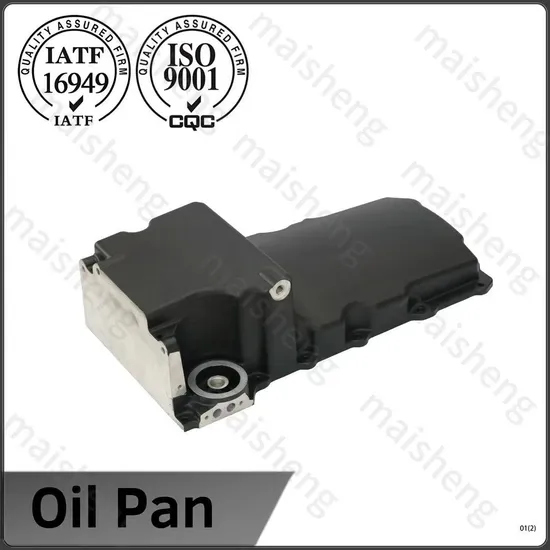
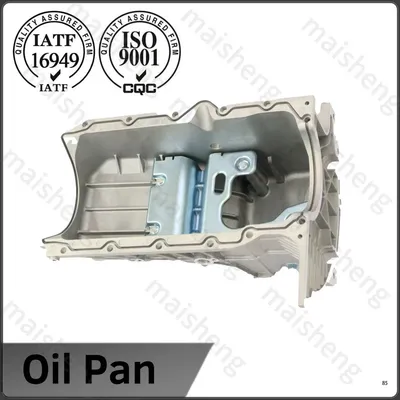
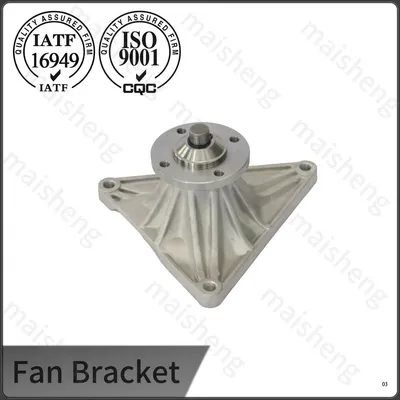
Buyers looking for a broader range of engine components can also explore related products such as the timing chain cover, engine oil pan and engine cooling fan bracket.
Frequently Asked Questions About Diesel Engine Timing Case Covers
What is the main purpose of a diesel engine timing case cover?
It protects the internal timing mechanism from dust, moisture and external mechanical damage while helping retain engine oil around the timing system. Its sealing and structural performance contribute to reliable engine operation.
What material is used for the Maisheng timing case cover?
The listed product specification uses aluminum. Aluminum offers a useful combination of low weight, heat transfer capability and dimensional stability for many diesel engine applications.
What can cause a timing case cover to leak?
Common causes include damaged gaskets or seals, distorted sealing surfaces, incorrect installation, loose fasteners and long-term exposure to vibration and temperature cycling. Proper machining and leak testing can reduce the risk of production-related sealing problems.
Can the timing case cover be customized?
Yes. Maisheng supports customization of dimensions, mounting holes and logos. Buyers can provide engineering drawings, original samples or technical parameters for engineering evaluation and pre-production approval. :contentReference[oaicite:4]{index=4}
What quality certifications are available?
The product information lists ISO 9001 and IATF 16949 certification. Material certificates, dimensional inspection reports and leak-test records can also be supplied as part of the quality documentation package. :contentReference[oaicite:5]{index=5}
What is the MOQ for this product?
The listed MOQ is 1 piece, which can be useful for sample evaluation, replacement requirements and initial OEM development before larger-volume purchasing.
Conclusion
A reliable Diesel Engine Timing Case Cover plays an important role in protecting the timing system, maintaining sealing integrity and supporting long-term diesel engine reliability. Material selection, casting quality, CNC machining, surface treatment, dimensional inspection and leak testing should all be considered when evaluating a supplier. With IATF 16949 and ISO 9001 quality systems, OEM/ODM customization, a production capacity of up to 1,500 pieces per week and flexible MOQ options, Maisheng provides a practical sourcing solution for distributors, machinery manufacturers, commercial vehicle suppliers and aftermarket buyers. :contentReference[oaicite:6]{index=6}
If you are sourcing a customized timing cover, replacing an existing diesel engine component or planning a bulk aftermarket order, contact us with your engine model, drawing, sample or technical requirements. Maisheng can help evaluate the application, confirm specifications and develop a suitable production solution for your project.