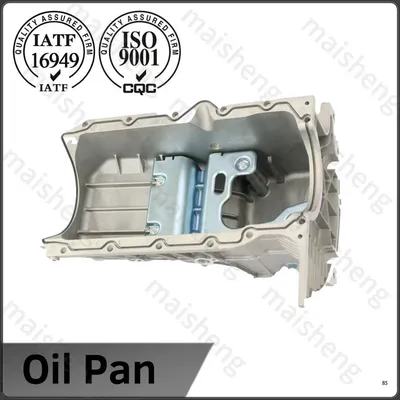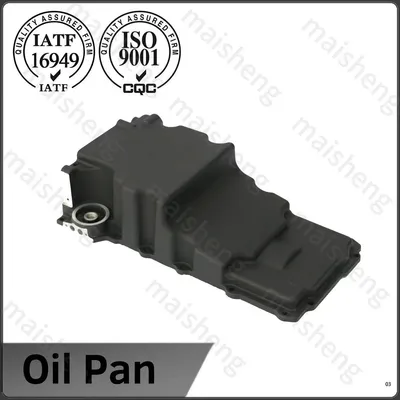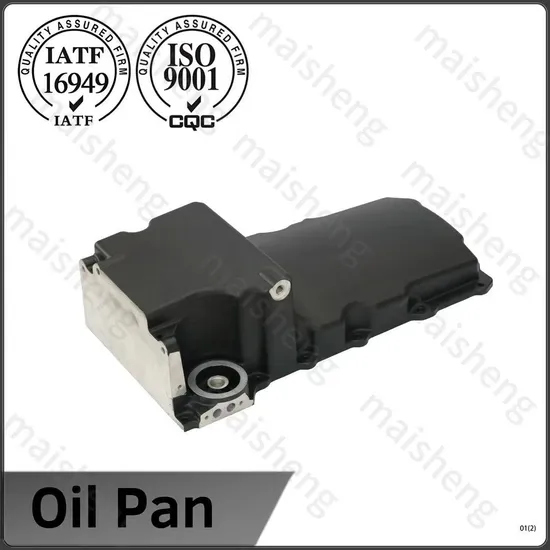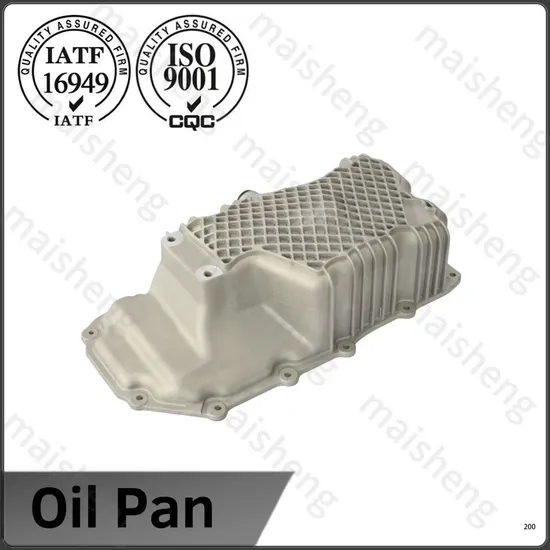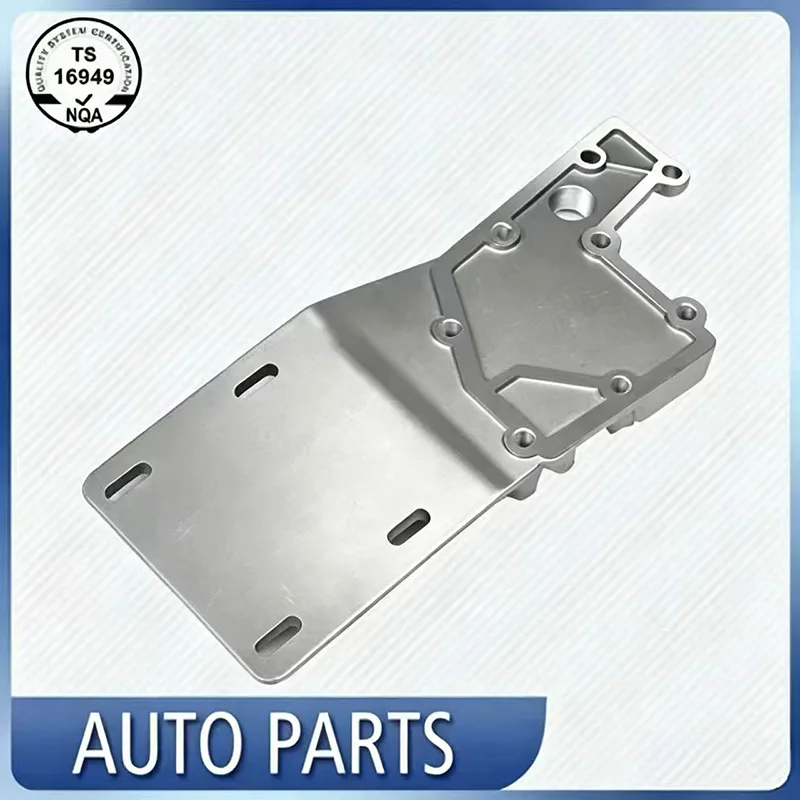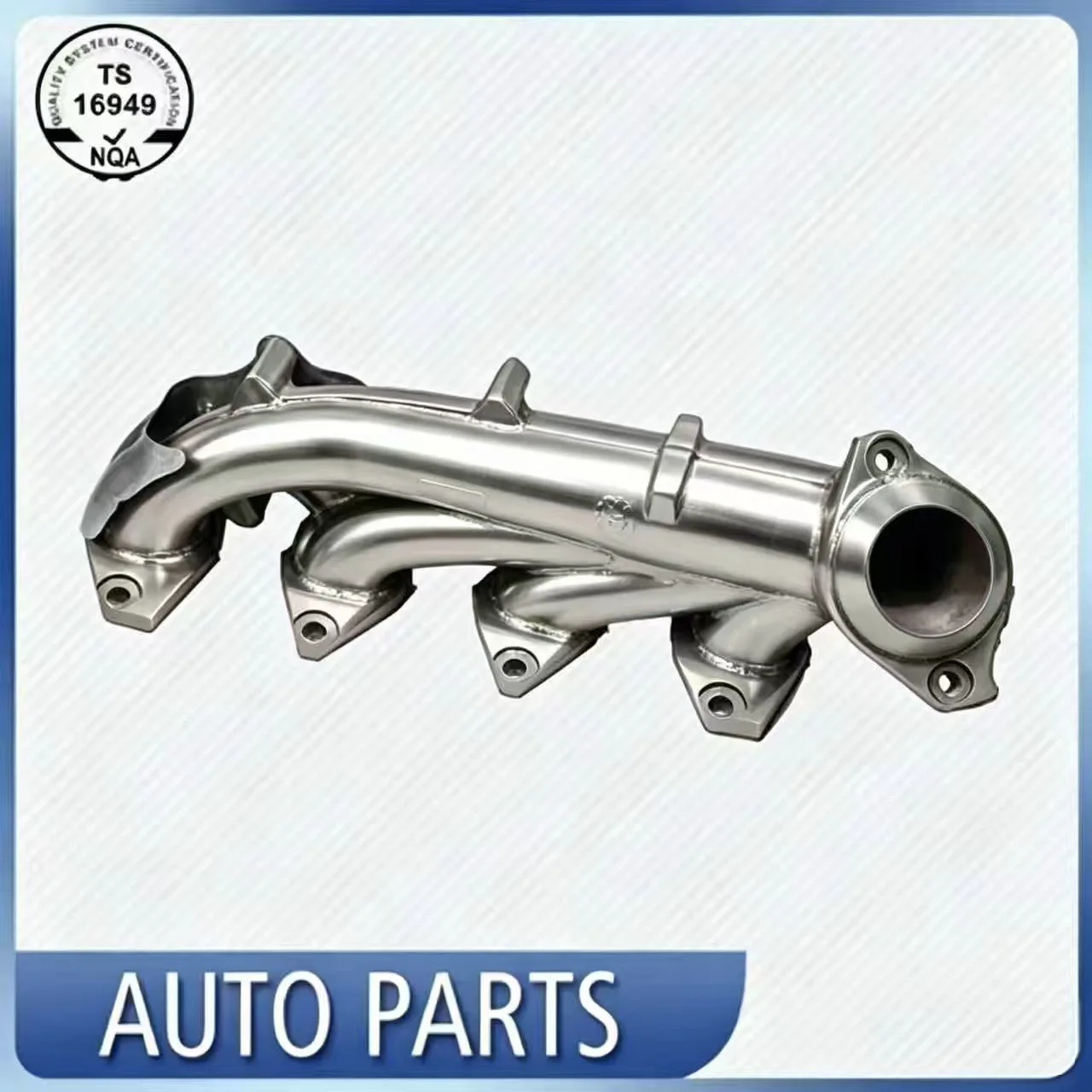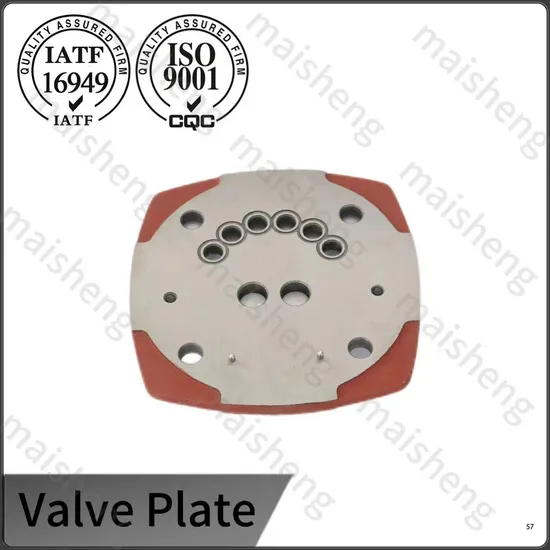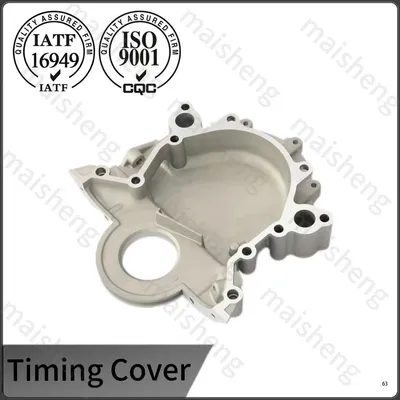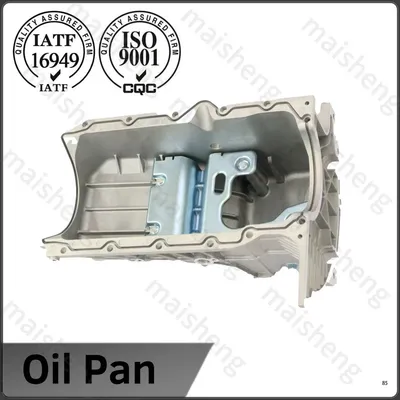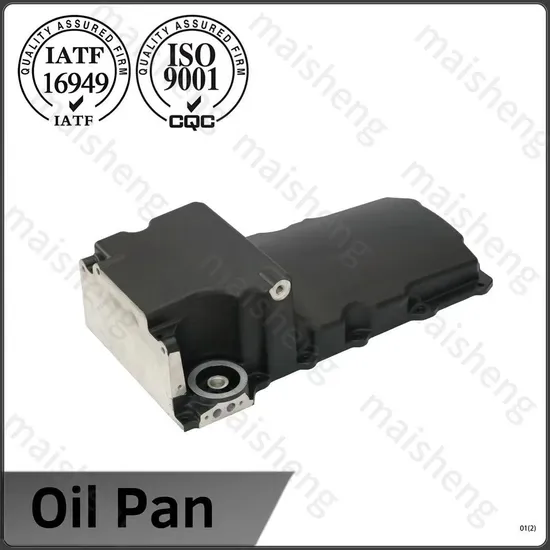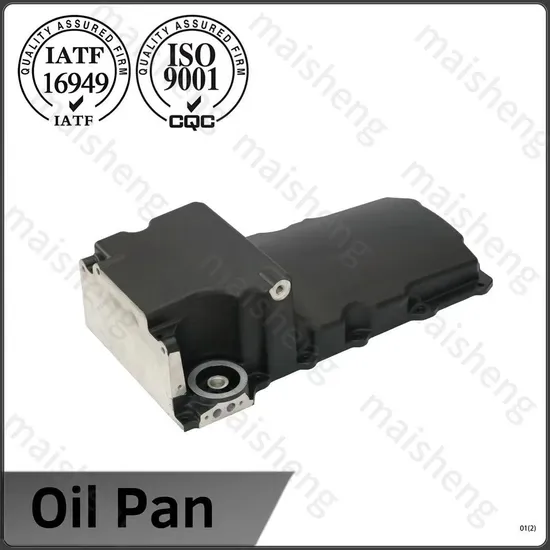

Maisheng operates two dedicated production lines for oil pans, one for aluminum die-cast components and one for gray cast iron components. This separation allows each material stream to follow its own process parameters, from pouring temperature and mold preheating to cooling rate control. Incoming aluminum ingots and foundry-grade pig iron are checked in-house using optical emission spectrometry before release to the melting deck. When customers consolidate aluminum and cast iron oil pans into a single container order, production planners can allocate capacity across both lines to shorten the overall delivery window.
Aluminum oil pans are cast from a silicon-magnesium alloy and benefit from lower mass and faster heat transfer, suiting them to mainstream passenger car engines where weight savings and thermal conductivity matter. The die-cast process delivers fine dimensional control and thin wall sections without sacrificing structural integrity. Gray cast iron oil pans use a thicker wall section and a fully pearlitic matrix, providing the shock resistance and long-term dimensional stability required for heavy-load working conditions such as agricultural machinery and light commercial truck engines. Both product types receive a milled flange face and a drain plug boss positioned per industry specification. The smooth sealing rail, combined with controlled bolt hole positions, reduces the risk of engine oil leakage after installation.
Customized oil pan dimensions are supported based on customer samples or engineering prints. Before series release, the flange flatness is verified with a laser profilometer and held under 0.1 millimeter total indicator reading, while the drain plug thread is gauged with a go/no-go fixture. Every pan undergoes a submerged air pressure test at 0.5 bar for leak detection; any continuous bubble stream triggers immediate quarantine. This test protocol is applied uniformly to standard catalog items and to new OEM designs, providing objective confirmation of sealing integrity before shipment.
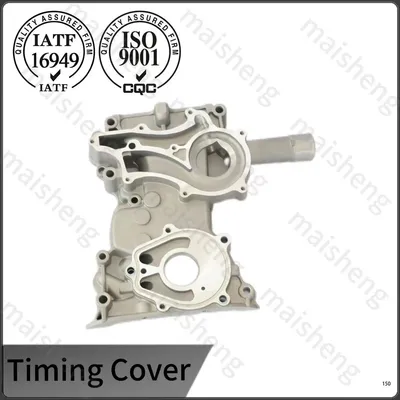
The aluminum oil pan range primarily serves the aftermarket for sedans and compact pickups, while the cast iron oil pan range covers engines used in agricultural machinery, light commercial trucks and mini construction equipment. Steady supply is maintained for repair workshops and spare parts warehouses in Southeast Asia, Mexico and the Middle East. The same certified production system that produces oil pans also manufactures Timing Chain Cover, Exhaust Manifold and Auto Bearing, enabling regional distributors to consolidate multiple engine component categories under a single quality agreement.
1. What determines whether an aluminum or a cast iron oil pan is the correct replacement?
A: The choice usually follows the original equipment specification. Engines designed with aluminum pans rely on the material's lightweight construction and heat dissipation, while cast iron pans are specified where the oil pan also contributes to structural rigidity or must withstand frequent impacts from road debris and vibration. In aftermarket replacement, matching the original material avoids differences in thermal expansion that could compromise gasket performance.
2. What is required to develop a custom oil pan that is not in the standard catalog?
A: Provide an existing sample, a dimensioned drawing, or the engine model reference. The engineering team reviews the flange pattern, sump depth and drain plug location, then produces a 3D model for approval. A prototype set is machined and tested for fitment and pressure tightness before the mold is cut for production. The same material certification, flange flatness inspection and immersion leak test are performed on custom pans as on standard products.