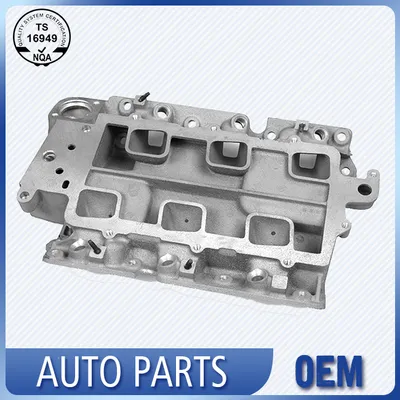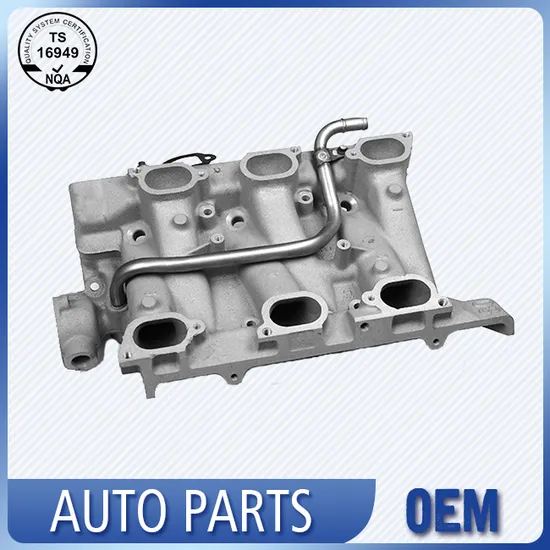

The exhaust manifold is manufactured on a production line that is planned and scheduled independently from other engine component families. This separation keeps manifold machining, assembly and inspection progress free from order conflicts, allowing the team to adjust batch sizes efficiently when buyers combine spot purchases, bulk orders and blueprint-based OEM developments in one procurement cycle. Layered in-process inspection stations are positioned along the line to verify runner dimensions, flange flatness and weld integrity as the manifold moves through each operation, which helps shorten the overall delivery cycle without compressing quality hold points.
Independent production planning for exhaust manifolds supports mixed-specification procurement, meaning that sample orders and restocking quantities for several manifold models can be processed in parallel. After casting or forming, each manifold undergoes a sequence of dimensional checks, including a coordinate measuring machine audit of the cylinder head flange and a go/no-go verification of the collector outlet. The inspection data is logged against the batch number before the manifold moves to final pressure testing, where it is pressurized with shop air and submerged to confirm a leak-free shell. This structured approach is applied uniformly to standard catalog items and to custom designs developed from customer drawings.
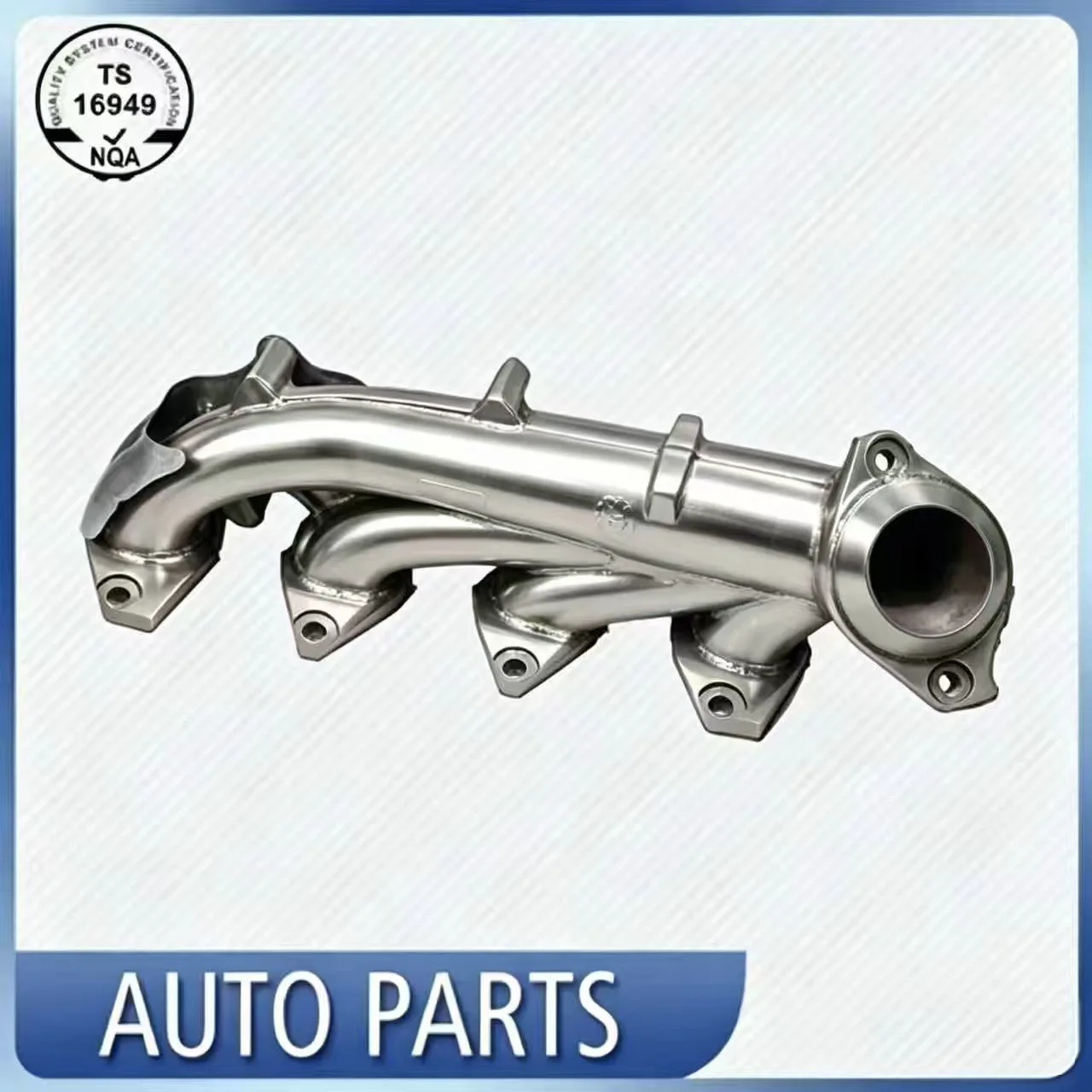
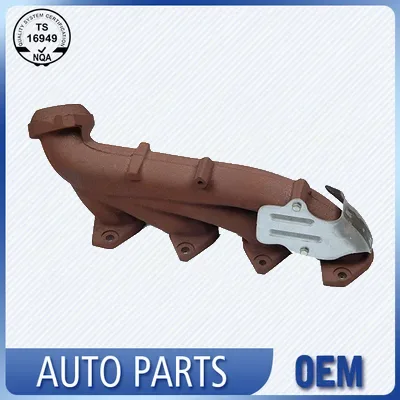
The exhaust manifold range covers mainstream gasoline and diesel engine assemblies found in passenger cars, light commercial vehicles and certain off-highway applications. Depending on the engine's thermal duty, manifolds are cast from high-silicon ductile iron or fabricated from stainless steel tube, both selected for their resistance to thermal fatigue and oxidation at sustained exhaust gas temperatures. The finished manifold fits directly onto the cylinder head using pre-machined mounting holes and a flat gasket flange, replacing the original equipment part without additional modification.
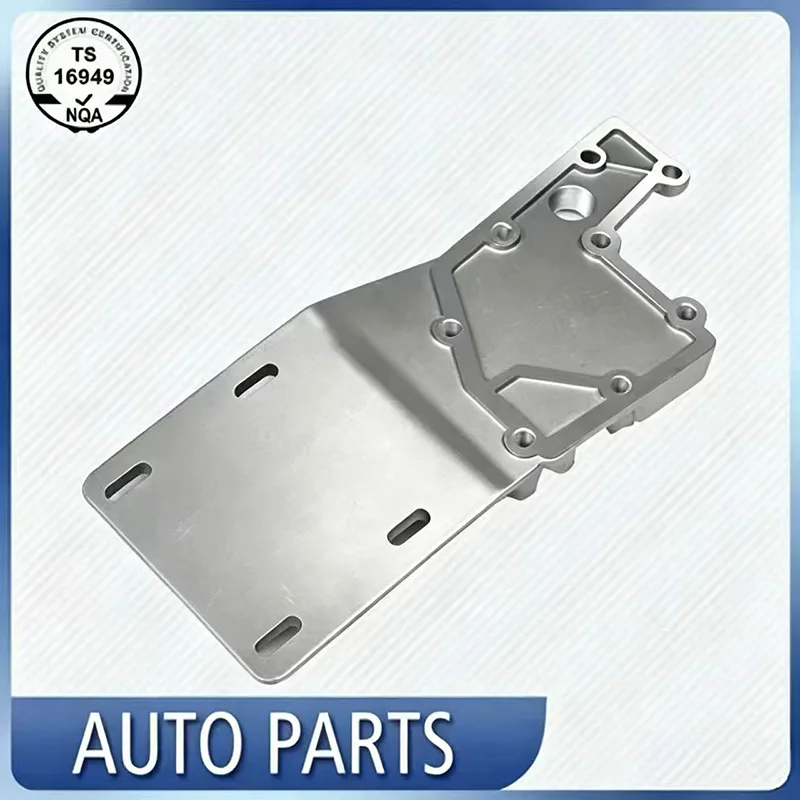
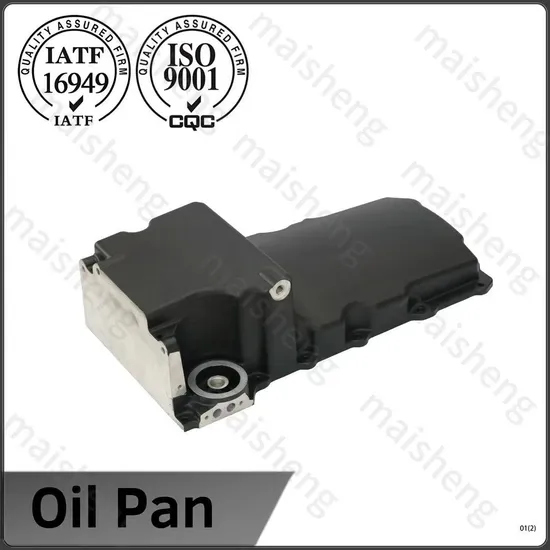
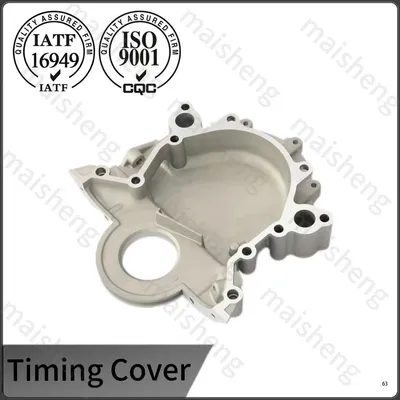
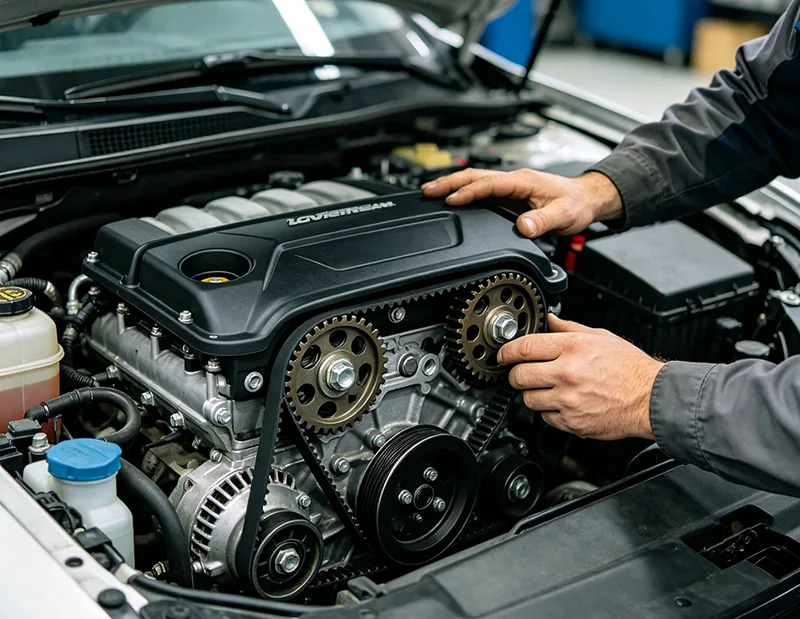
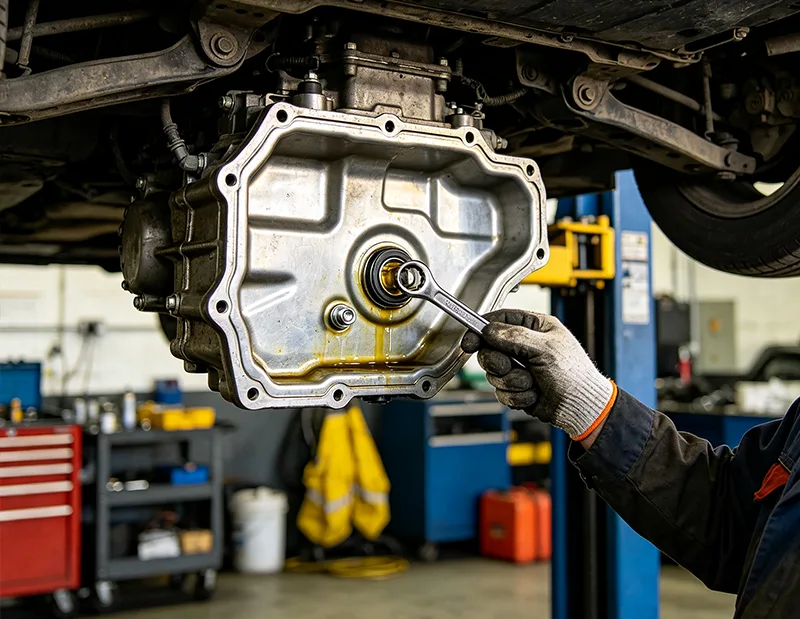
The same certified production system that produces exhaust manifolds also delivers Timing Chain Cover, Oil Pan and Engine Cooling Fan Bracket. Regional aftermarket distributors who restock these items can consolidate them under a single quality agreement, simplifying inbound logistics and technical documentation.
1. What is the most common cause of exhaust manifold cracking, and how is it mitigated during manufacturing?
A: Cracking typically initiates from thermal fatigue, where repeated heating and cooling cycles create stress at the junction of the runner and flange. Mitigation starts with material selection (such as high-nickel ductile iron or stabilized stainless steel) and continues with a controlled stress-relief heat treatment after casting or welding. In production, flange flatness is verified to ensure the manifold seats evenly against the cylinder head, avoiding localized bending stress that accelerates crack growth.
2. Can you supply a manifold for an engine that is no longer in production?
A: Yes, provided an original sample or detailed drawing is available. The engineering team reverse-engineers the flange pattern, runner routing and collector position, produces a prototype for fitment trial, and then releases the tooling for series production. The same material certification, dimensional inspection and pressure testing standards apply to these custom runs.