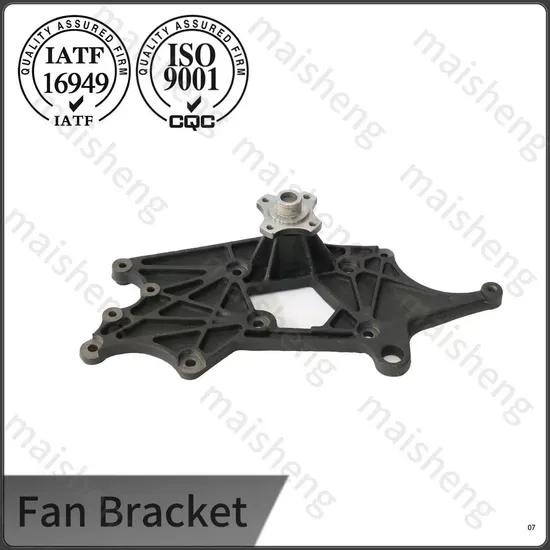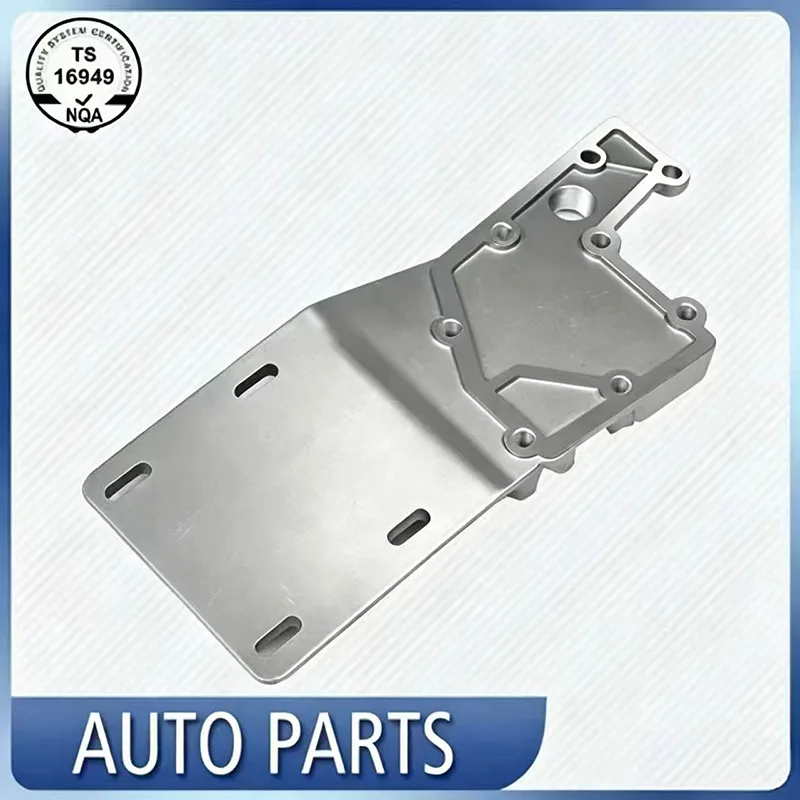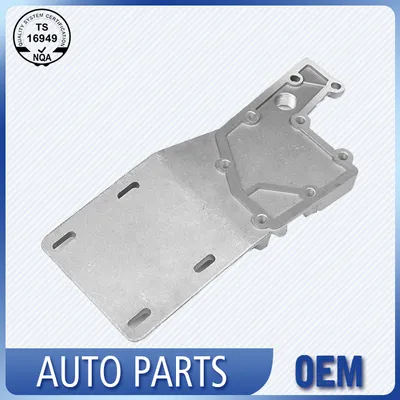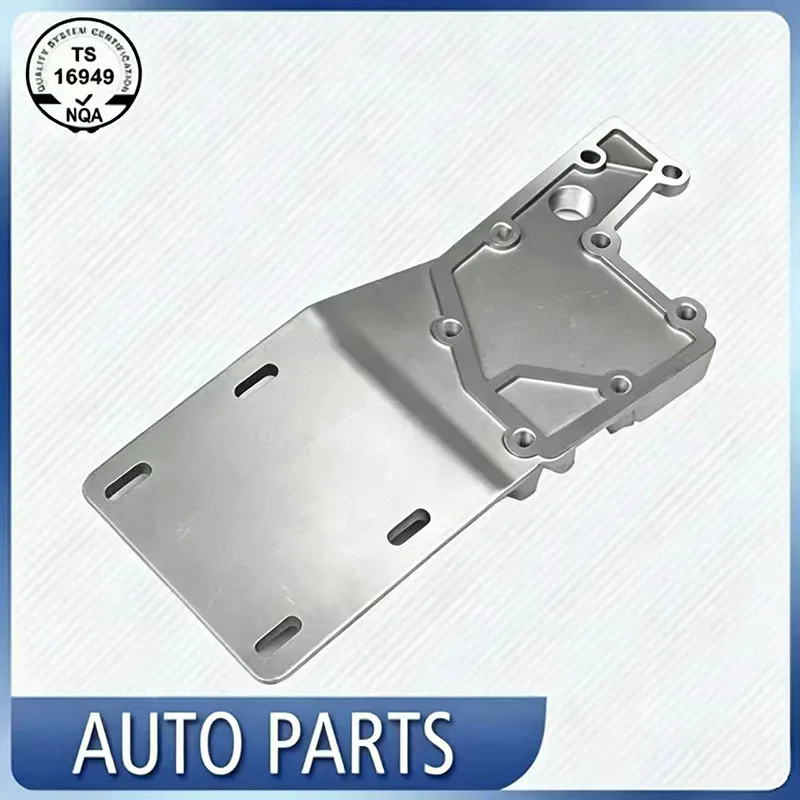

Commercial vehicles operate under conditions that passenger cars never experience: long-distance highway runs, mountain grades, mining sites and high ambient temperatures place continuous stress on every engine bay component. Among the cooling system parts that endure this abuse, the Commercial Vehicle Fan Bracket must hold the cooling fan steady through millions of vibration cycles, sudden torque loads and thermal expansion. When a bracket fails on a truck or bus, the result is not a simple repair ticket but downtime that costs operators thousands of dollars, so its durability directly affects fleet operating costs.
Engineering data from heavy-duty fleets shows that bracket-related cooling failures usually appear after 300,000 to 500,000 kilometers, when fatigue cracks start at mounting holes and weld seams. Cast iron and reinforced steel brackets remain the mainstream choice for commercial applications because they resist vibration better than lightweight aluminum parts, although aluminum alloy versions are gaining ground in urban delivery vehicles with softer load profiles. Regular inspection should focus on three points: cracks near bolt holes, deformation of the mounting flange and corrosion caused by road salt and moisture. When replacing the bracket, technicians must follow the original torque specifications and check fan hub alignment, because a misaligned bracket accelerates water pump bearing wear and causes belt and blade damage. Fleet maintenance managers who include the fan bracket in their preventive maintenance checklists report noticeably fewer cooling system breakdowns during peak summer operation.
As commercial vehicle manufacturers push toward lighter chassis and better fuel economy, the demand for optimized Commercial Vehicle Fan Bracket designs will continue to grow. Operators and parts distributors who understand the fatigue behavior of these components and choose verified quality parts can significantly reduce unplanned downtime. Selecting a supplier with proven heavy-duty application experience and complete test records is the foundation of reliable cooling system maintenance for modern commercial fleets.