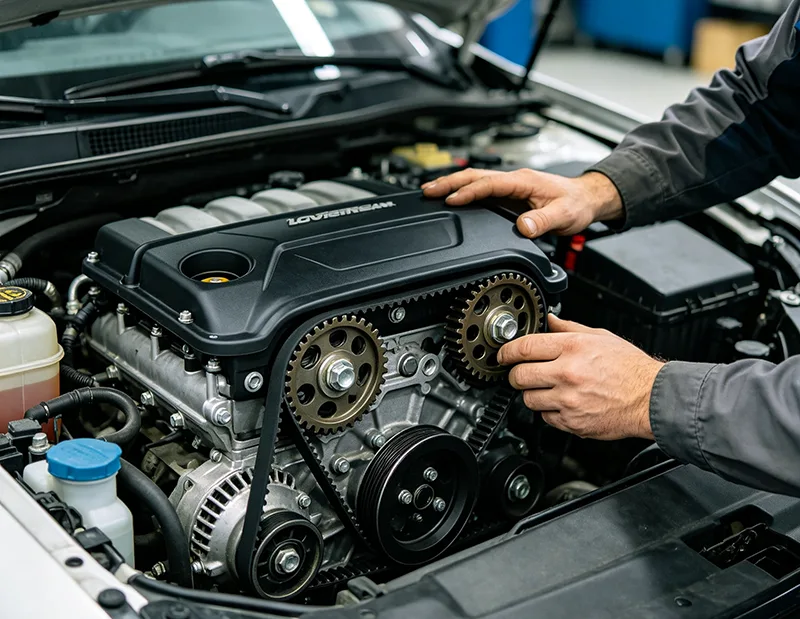
As soon as we find out that the timing cover is bad, it is necessary to go to the garage to repair it. Each model of the car is not the same. We must choose the most suitable...
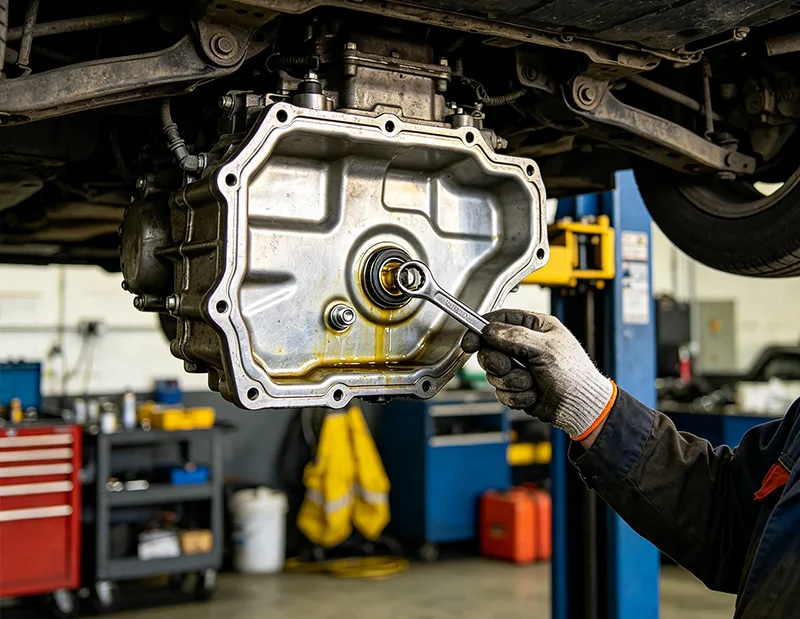
The Oil Pan is like a power switch, which is located between the engine and the gearbox, located at the front end of the transmission system. According to the driving force...
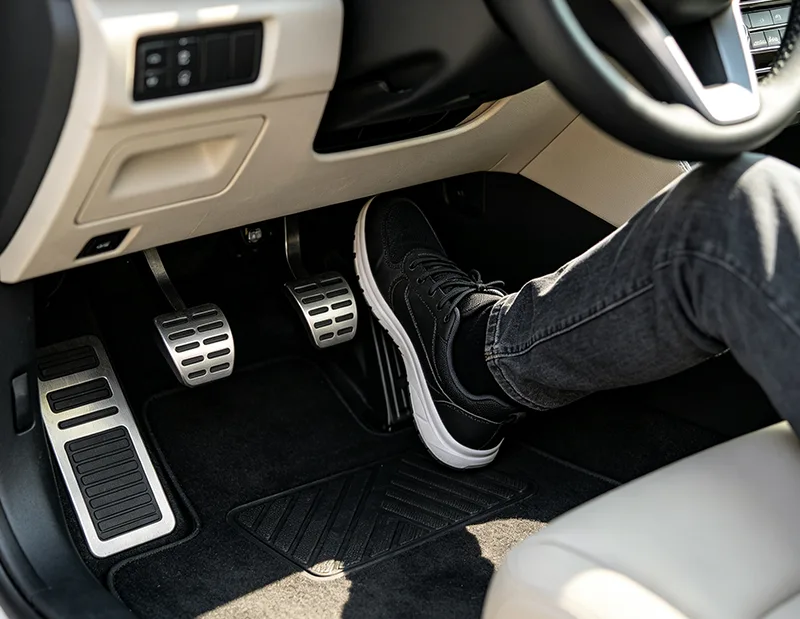
A leading automotive foot control component manufacturer officially released its upgraded full-series Car Pedal products this week, covering accelerator pedal, brake pedal and...
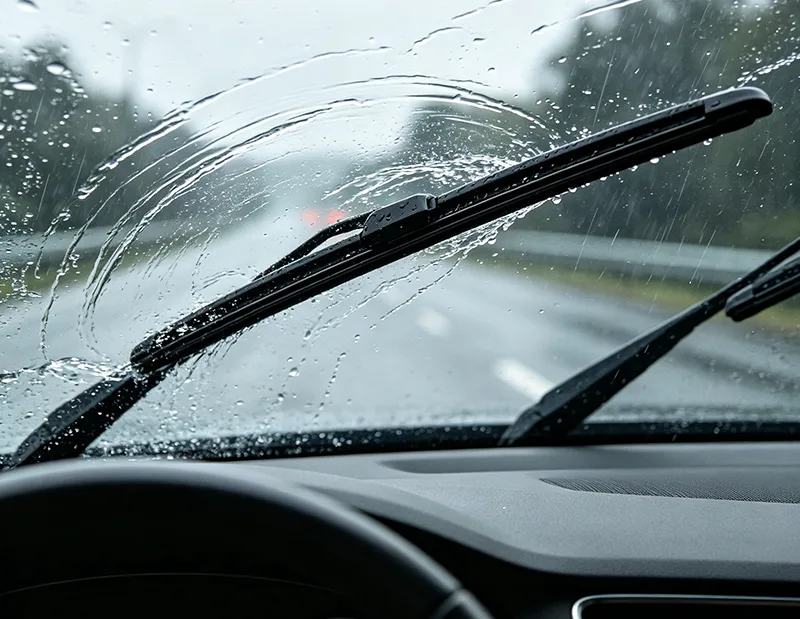
The core material requirements for the windshield wiper include: the wiping part should use rubber or silicone with good aging resistance and flexibility; the frame part should...
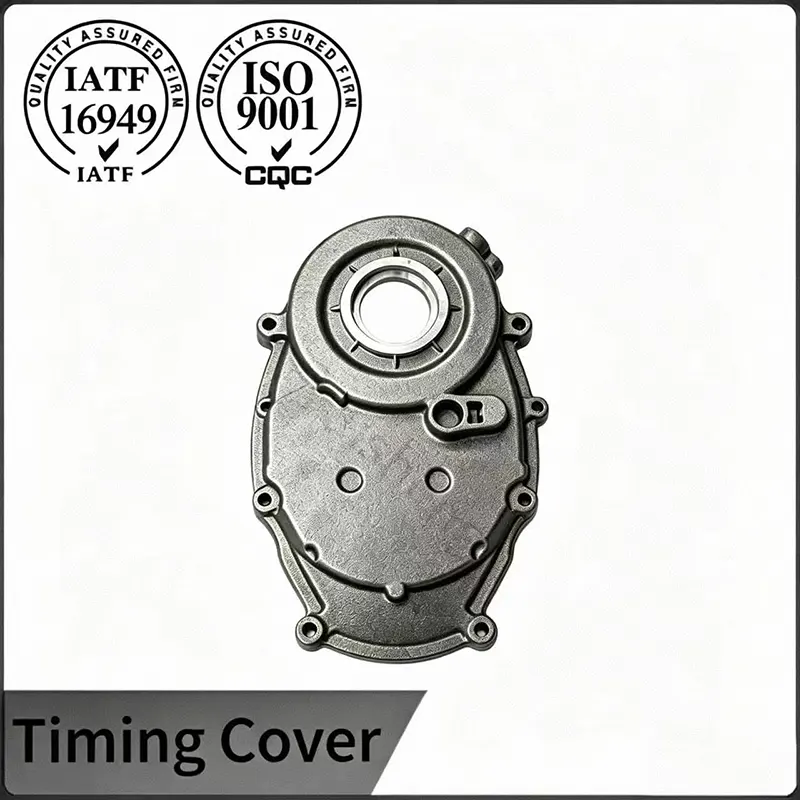
A reliable engine depends on the proper coordination and protection of its internal components. Among the important parts responsible for maintaining this protection is the timing cover. A cast iron timing cover provides a durable enclosure for the engine's timing gears and helps prevent external contaminants from entering the timing mechanism.
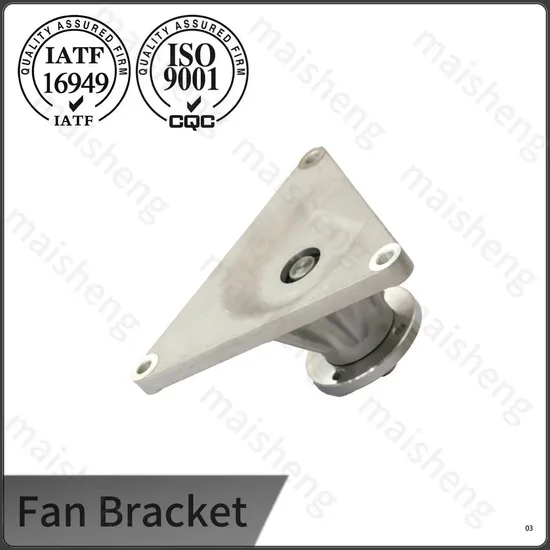
This article describes how the commercial vehicle fan bracket has evolved from a simple stamped metal part into a precision component that must accommodate electric motors, sensor brackets, and additional mounting points. Variable-speed electric fans create frequent acceleration/deceleration and repeated impact loads, so design focuses on bracket stiffness, mounting boss strength, and vibration isolator position. Installation requires correct blade-to-shroud clearance, specified torque sequence, and replacement of worn rubber isolators. Future trends include high-strength aluminum alloys, optimized rib structures, modular designs, and closer integration with shrouds, sensors, and electronic controllers. Maintenance personnel need to understand these trends for correct inspection and long-term cooling performance.
We use cookies to offer you a better browsing experience, analyze site traffic and personalize content. By using this site, you agree to our use of cookies. Privacy Policy


 03 2026-07
 03 2026-07
 03 2026-07
 03 2026-07
 05 2026-11
 28 2026-10

