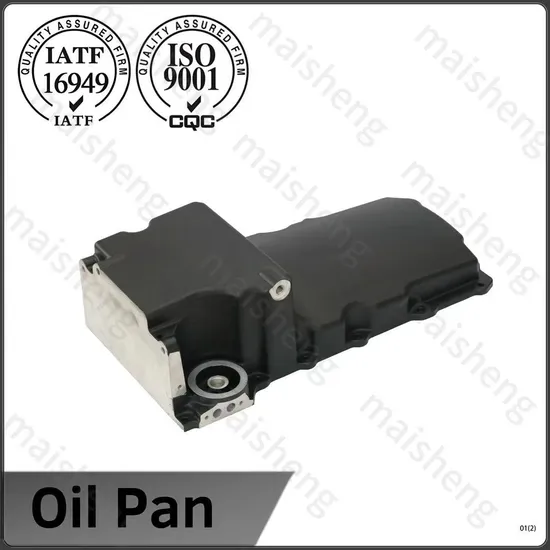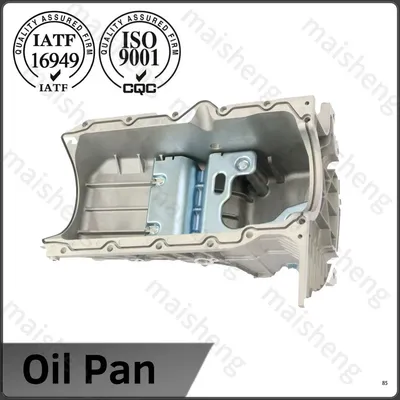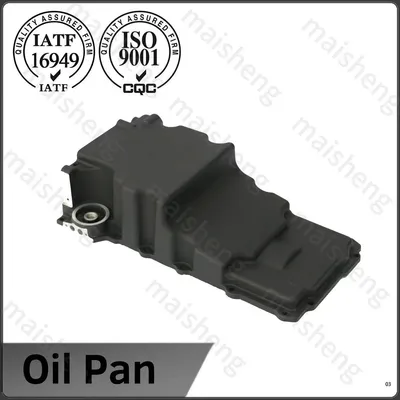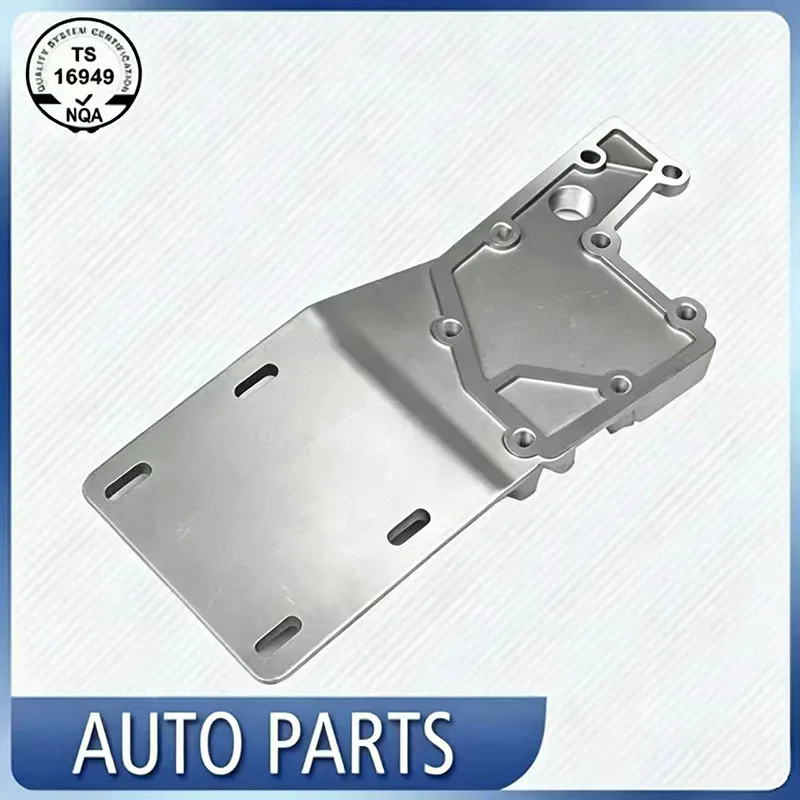



A reliable engine depends on the proper coordination and protection of its internal components. Among the important parts responsible for maintaining this protection is the timing cover. A cast iron timing cover provides a durable enclosure for the engine's timing gears and helps prevent external contaminants from entering the timing mechanism. In heavy-duty diesel engines and industrial applications, its strength, rigidity, and resistance to mechanical stress make it a valuable component.
This article explores the functions, material advantages, manufacturing considerations, common problems, and maintenance requirements of cast iron timing covers. It also explains what buyers should evaluate when sourcing replacement parts or selecting components for demanding engine applications.

Table of Contents
- What Is a Cast Iron Timing Cover?
- What Functions Does a Timing Cover Perform?
- Why Is Cast Iron Used for Timing Covers?
- How Is a Cast Iron Timing Cover Manufactured?
- Where Are Cast Iron Timing Covers Commonly Used?
- What Are the Common Problems with Timing Covers?
- How Can You Choose the Right Cast Iron Timing Cover?
- How Should a Cast Iron Timing Cover Be Installed and Maintained?
- Why Does Timing Cover Quality Matter to Engine Performance?
- Frequently Asked Questions
- Final Thoughts
1. What Is a Cast Iron Timing Cover?
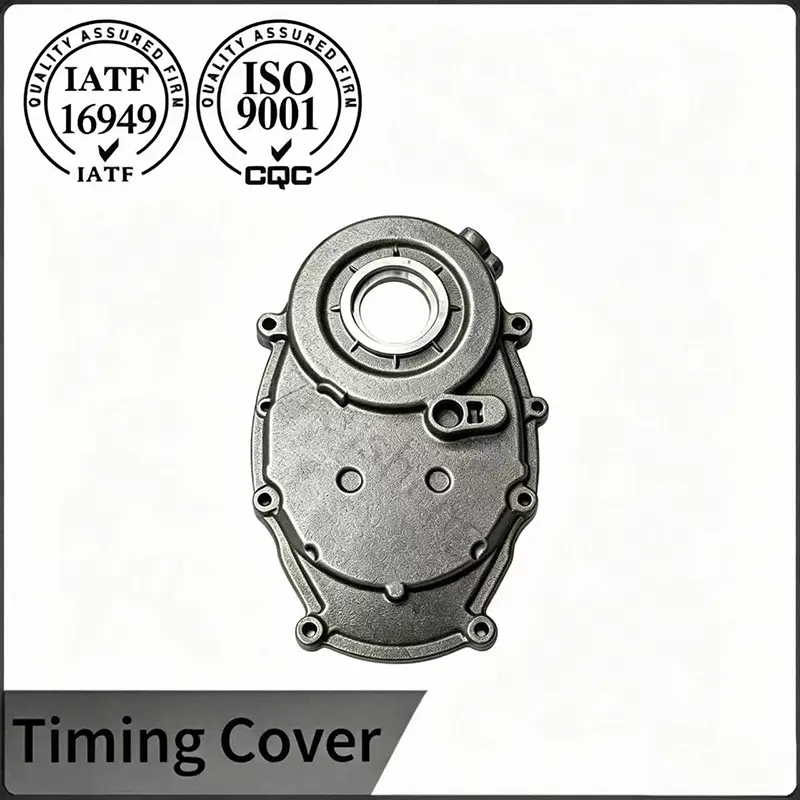
A cast iron timing cover is an engine component designed to enclose and protect the timing mechanism located at the front of an engine. Depending on the engine design, this mechanism may include timing gears, sprockets, chains, and other related components that coordinate the movement of the crankshaft and camshaft.
In many heavy-duty diesel engines, the timing system uses a gear-driven arrangement. These gears must maintain accurate engagement and alignment to ensure that the engine's valves and fuel injection system operate at the correct time. The timing cover provides a protective enclosure around these moving components.
Unlike thin protective panels, a cast iron timing cover is manufactured from a relatively thick metal casting. This construction provides structural rigidity and helps maintain stable mounting and sealing surfaces under demanding operating conditions.
Key Components and Structural Features
Although the design varies between engine manufacturers and models, a typical cast iron timing cover may include:
- Main housing: The primary structure that encloses the timing gears and protects them from external contamination.
- Mounting flanges: Machined or finished surfaces used to secure the cover to the engine block.
- Bolt holes: Precisely positioned openings that ensure reliable fastening and proper alignment.
- Oil seal housing: A specially designed area that accommodates the front crankshaft oil seal in applicable designs.
- Inspection openings: Some models include access points or inspection features for maintenance purposes.
2. What Functions Does a Timing Cover Perform?
A timing cover is more than an external engine housing. It plays several important roles in protecting the timing system and supporting reliable engine operation.
2.1 Protecting Internal Timing Components
Timing gears and other drive components operate continuously whenever the engine is running. Dust, dirt, moisture, and road debris can cause premature wear if they enter the timing compartment. The timing cover creates a protective barrier that helps keep these contaminants away from sensitive mechanical components.
2.2 Preventing Engine Oil Leakage
Many timing gear compartments are lubricated by engine oil. The cover, together with its gasket and applicable oil seals, helps retain lubrication inside the engine. A properly fitted cover reduces the risk of oil leakage around the front engine area.
2.3 Maintaining Structural Stability
In certain engine designs, the timing cover also serves as a mounting structure for related components. Its dimensional accuracy and rigidity help maintain the correct positioning of these parts. A poorly manufactured housing may create alignment problems or uneven sealing pressure.
2.4 Reducing Mechanical Noise
Timing gears generate mechanical noise during operation. A properly designed and securely installed cover helps contain some of this noise, contributing to a more controlled engine operating environment.
2.5 Supporting Long-Term Engine Reliability
By protecting the timing mechanism, retaining lubrication, and maintaining stable mounting conditions, a quality timing cover contributes to the long-term reliability of the engine. Its performance is particularly important in engines that operate for extended periods under heavy loads.
3. Why Is Cast Iron Used for Timing Covers?
Material selection directly affects the durability, weight, manufacturing cost, and operating performance of an engine component. Cast iron is commonly considered for heavy-duty engine housings because of its mechanical properties and suitability for complex casting designs.
3.1 High Structural Rigidity
Cast iron offers good stiffness, helping the timing cover maintain its structural shape under mechanical loading and vibration. This characteristic is useful for heavy-duty diesel engines where the timing housing may support multiple components or accommodate complex mounting structures.
3.2 Good Wear Resistance
Many cast iron grades provide favorable wear resistance. Although the timing cover is not normally a direct friction component, its machined surfaces and structural features must remain dependable throughout extended service.
3.3 Vibration Damping Properties
Cast iron has useful vibration-damping characteristics compared with some lighter metallic alternatives. This can help reduce the transmission of certain mechanical vibrations through the housing.
3.4 Flexible Casting Design
Casting processes make it possible to produce complex shapes, mounting bosses, reinforcing ribs, and integrated structural features. This flexibility allows manufacturers to develop timing covers that match specific engine configurations.
3.5 Suitability for Heavy-Duty Applications
Heavy-duty engines used in trucks, construction equipment, agricultural machinery, and industrial power systems may experience substantial mechanical loads and demanding operating conditions. A properly selected cast iron grade can provide the required strength and durability for these applications.
Cast Iron vs. Other Timing Cover Materials
Different materials offer different advantages. The most appropriate option depends on engine architecture, operating conditions, production requirements, and overall cost.
| Material | Main Advantages | Potential Limitations | Typical Applications |
|---|---|---|---|
| Cast Iron | High rigidity, good wear resistance, and vibration damping | Relatively heavy and requires corrosion protection | Heavy-duty diesel and industrial engines |
| Cast Aluminum | Lightweight, good heat dissipation, and corrosion resistance | Can be more vulnerable to damage from improper fastening | Modern passenger and commercial vehicle engines |
| Stamped Steel | Economical, lightweight, and suitable for simpler designs | Can be vulnerable to deformation and corrosion | Conventional engine timing covers |
| Composite Materials | Low weight and flexible manufacturing options | Temperature and mechanical performance depend on material formulation | Selected modern automotive engines |
It is important to recognize that no single material is ideal for every engine. Cast iron is particularly relevant when structural rigidity and durability are priorities, while lightweight alternatives may be more suitable for applications with strict weight requirements.
4. How Is a Cast Iron Timing Cover Manufactured?
Manufacturing quality has a direct influence on the fit, sealing performance, and service life of a cast iron timing cover. A dependable production process should combine appropriate material selection, controlled casting, precision machining, and thorough inspection.
Step 1: Material Selection
The manufacturing process begins with selecting a suitable cast iron grade according to the mechanical requirements of the application. Grey cast iron and ductile iron are two possible material options, each offering different properties.
- Grey cast iron: Often selected for its vibration-damping properties, castability, and machinability.
- Ductile iron: Offers higher tensile strength and toughness in many grades, making it suitable for applications requiring improved resistance to mechanical stress.
The final selection should be based on the original engineering requirements rather than material names alone.
Step 2: Casting Process
Molten iron is poured into a prepared mold to form the basic housing structure. The mold determines the general shape, wall thickness, internal cavities, and major structural features.
Proper control of pouring temperature, mold conditions, and cooling is essential. Poor process control may result in porosity, shrinkage defects, inclusions, or dimensional inconsistencies.
Step 3: Cooling and Cleaning
After solidification, the casting is removed from the mold. Excess material, gates, and other unwanted sections are removed. The component is then cleaned and prepared for further processing.
Step 4: Precision Machining
Critical surfaces are machined to meet the required dimensional tolerances. These areas may include mounting faces, bolt holes, seal bores, and other locating features.
Machining accuracy is especially important around sealing surfaces. Even small deviations may affect gasket compression and increase the possibility of oil leakage.
Step 5: Quality Inspection
Before delivery, the finished casting should undergo appropriate quality checks. Depending on the product specification, inspection may include:
- Dimensional measurement and tolerance verification.
- Visual inspection for cracks and surface defects.
- Inspection of critical machined surfaces.
- Material composition and mechanical property verification.
- Non-destructive testing when required by the application.
5. Where Are Cast Iron Timing Covers Commonly Used?
Cast iron timing covers are particularly relevant to engine designs that require durable timing gear housings and stable mounting structures. Their actual applications depend on the original equipment design and material specifications.
5.1 Heavy-Duty Diesel Engines
Diesel engines used in commercial trucks and heavy-duty vehicles often operate under high loads and extended working schedules. Their timing gear systems require reliable protection and accurate component positioning.
5.2 Construction Machinery
Excavators, loaders, bulldozers, and other construction equipment frequently work in dusty environments with significant vibration and mechanical stress. A robust timing housing helps protect internal components from external contamination.
5.3 Agricultural Machinery
Tractors, harvesters, and other agricultural machines may operate for long hours in environments containing dust, soil, and moisture. Properly sealed engine housings help protect timing components during demanding seasonal operations.
5.4 Industrial Power Equipment
Industrial diesel engines and stationary power systems may run continuously or for extended periods. Component durability, maintenance accessibility, and dependable oil sealing are important considerations in these applications.
5.5 Replacement Parts and Engine Rebuilding
When an original timing cover becomes cracked, corroded, or dimensionally damaged, a compatible replacement may be required. Engine rebuilding projects also require careful evaluation of the housing, mounting surfaces, and associated seals.
6. What Are the Common Problems with Timing Covers?
Although a cast iron timing cover is designed for durability, it can still develop problems over time. Understanding common failure symptoms helps operators and maintenance professionals identify potential issues before they cause more serious engine damage.
6.1 Oil Leakage
Oil leakage around the front of the engine is one of the most recognizable warning signs. However, the leak may come from a worn gasket, a damaged crankshaft seal, a loose fastener, or a damaged sealing surface rather than the casting itself.
Recommended action: Clean the affected area, identify the actual leak source, and inspect the gasket, seal, and mating surfaces before replacing the entire cover.
6.2 Cracks in the Housing
Cracks may develop due to severe impact, improper installation, excessive mechanical stress, or damage caused by internal component failure. Even a small crack can compromise the housing's protective and sealing functions.
Recommended action: Inspect the casting carefully. Replace the cover if structural integrity is compromised, following the applicable repair specifications.
6.3 Corrosion and Surface Deterioration
Exposure to moisture, chemicals, and harsh environmental conditions may cause surface corrosion. Corrosion around mounting or sealing areas can make it difficult to achieve a reliable gasket connection.
Recommended action: Check for rust, pitting, and damaged protective coatings. Severe corrosion on critical surfaces may require replacement.
6.4 Improper Alignment
Incorrect positioning during installation or dimensional problems in a replacement part can result in uneven mounting pressure. This may contribute to oil leaks, unusual mechanical contact, or accelerated wear in related components.
Recommended action: Verify the part number, mounting dimensions, locating features, and mating surfaces before installation.
6.5 Damaged Gaskets and Oil Seals
Gaskets and seals are exposed to heat, pressure, oil, and long-term material aging. A deteriorated seal may cause leakage even when the cast iron housing remains in good condition.
Recommended action: Replace worn sealing components and use products compatible with the engine manufacturer's requirements.
| Problem | Possible Cause | Suggested Inspection |
|---|---|---|
| Oil leakage | Worn gasket or crankshaft seal | Check sealing surfaces and seals |
| Housing cracks | Impact or excessive mechanical stress | Inspect the complete casting |
| Surface corrosion | Moisture or damaged coating | Examine mounting and sealing areas |
| Installation difficulties | Dimensional mismatch | Verify part numbers and measurements |
| Repeated leakage | Incorrect installation or distorted surfaces | Check flatness and fastening sequence |
7. How Can You Choose the Right Cast Iron Timing Cover?
Selecting a suitable cast iron timing cover is important for engine compatibility, operational reliability, and maintenance costs. For distributors, importers, and equipment manufacturers, purchasing decisions should be based on more than the initial product price.
7.1 Confirm Engine Compatibility
The first step is identifying the correct engine application. A timing cover designed for one engine model may not fit another, even if the external appearance is similar.
Before placing an order, confirm:
- Engine brand and model.
- Original equipment or replacement part number.
- Mounting hole positions and dimensions.
- Overall housing dimensions.
- Oil seal and gasket configuration.
- Required accessory mounting features.
7.2 Evaluate Material Specifications
Buyers should request clear material information, including the applicable cast iron grade, chemical composition requirements, and mechanical property standards. These details help determine whether the casting is appropriate for its intended working environment.
7.3 Check Dimensional Accuracy
Mounting surfaces and seal bores must meet the required tolerances. Incorrect dimensions may cause assembly difficulties, uneven sealing, and additional installation costs.
7.4 Examine Surface Quality
Inspect the casting for visible cracks, excessive porosity, rough machining, and other defects. Particular attention should be paid to bolt holes, sealing areas, and thin-wall sections.
7.5 Consider Supplier Reliability
A reliable supplier should be able to provide clear product specifications, technical documentation, sample support where available, and consistent communication. For bulk purchases, buyers should also evaluate production capacity, packaging standards, and delivery arrangements.
7.6 Balance Cost and Long-Term Value
A lower purchase price does not always translate into lower overall costs. Poor dimensional accuracy or inconsistent material quality can result in returns, installation delays, and additional maintenance expenses.
- Confirm the engine application and reference number.
- Request material specifications.
- Verify critical dimensions and tolerances.
- Review product samples or inspection records.
- Confirm packaging and transportation requirements.
- Discuss order quantities and delivery schedules.
8. How Should a Cast Iron Timing Cover Be Installed and Maintained?
Correct installation is essential for achieving reliable sealing and protecting the engine's timing system. Even a high-quality replacement component may perform poorly if the installation process is not properly controlled.
Installation Recommendations
- Prepare the engine: Follow the manufacturer's safety and disassembly procedures. Allow the engine to cool and isolate the relevant power sources.
- Inspect the replacement part: Compare the new cover with the original component and verify the part number, mounting dimensions, and structural features.
- Clean mating surfaces: Remove old gasket material, oil, dirt, and other contaminants without damaging the engine block or housing.
- Inspect seals and gaskets: Replace worn or damaged sealing components. Confirm that all parts are suitable for the specific engine.
- Position the cover: Align the mounting holes and locating features carefully. Avoid forcing the component into position.
- Tighten fasteners correctly: Follow the manufacturer's specified tightening sequence and torque values. Avoid uneven tightening or excessive force.
- Check for leakage: After reassembly, operate the engine according to the service procedure and inspect the relevant sealing areas.
Routine Maintenance Tips
Regular inspection helps identify early signs of damage and reduces the possibility of unexpected engine downtime.
- Check for oil seepage around the timing cover and front crankshaft seal.
- Inspect mounting bolts and surrounding components for abnormal conditions.
- Look for cracks, corrosion, and visible surface deterioration.
- Pay attention to unusual timing gear noise or vibration.
- Replace damaged gaskets and seals when necessary.
- Follow the engine manufacturer's recommended maintenance intervals.
For engines operating in dusty, humid, or high-load environments, maintenance inspections should be adjusted according to actual operating conditions and service recommendations.
9. Why Does Timing Cover Quality Matter to Engine Performance?
Engine performance is influenced by the interaction of many components. While a timing cover does not directly generate engine power, its condition affects the protection, sealing, and structural support of the timing system.
A properly manufactured cover helps maintain a dependable enclosure around the timing mechanism. Accurate mounting dimensions support correct installation, while suitable sealing surfaces help prevent oil leakage. These factors contribute to more reliable engine operation and help reduce avoidable maintenance problems.
For commercial vehicle operators and industrial equipment owners, unexpected engine downtime can result in repair expenses, interrupted operations, and reduced productivity. Choosing a compatible and properly manufactured replacement timing cover is therefore an important part of engine maintenance planning.
What Should Professional Buyers Prioritize?
For OEM projects, aftermarket distribution, and engine rebuilding applications, purchasing decisions should consider the following priorities:
- Compatibility: Accurate matching with the original engine configuration.
- Material consistency: Stable casting quality and suitable mechanical properties.
- Manufacturing precision: Reliable dimensions and properly machined sealing surfaces.
- Quality assurance: Appropriate inspection and documentation procedures.
- Supply stability: Dependable communication, production planning, and delivery coordination.
These considerations are particularly important for international buyers who need consistent replacement parts across multiple orders and different equipment applications.
10. Frequently Asked Questions
Q1: What is the main purpose of a cast iron timing cover?
A cast iron timing cover protects the engine's timing gears or related timing components from dirt, moisture, and external damage. It also helps retain engine oil and provides a stable mounting structure in applicable engine designs.
Q2: Is cast iron suitable for heavy-duty diesel timing covers?
Yes. Suitable cast iron grades offer good structural rigidity, wear resistance, and vibration-damping characteristics. They can be appropriate for heavy-duty diesel engines and industrial applications when the material and design meet the engine's requirements.
Q3: What is the difference between a timing cover and a timing gear housing?
The terms are sometimes used interchangeably, particularly in gear-driven diesel engines. A timing cover generally refers to the enclosure protecting the timing mechanism, while a timing gear housing may describe a more substantial structural assembly that encloses and supports the gear train.
Q4: What causes oil leakage around a timing cover?
Common causes include deteriorated gaskets, worn crankshaft seals, damaged sealing surfaces, loose fasteners, and improper installation. The actual source should be identified before replacing the component.
Q5: Can a cracked cast iron timing cover be repaired?
Some cast iron components can be repaired using specialized techniques, but the suitability depends on the crack location, casting condition, and engine manufacturer's requirements. Replacement is generally preferable when structural integrity or sealing reliability cannot be guaranteed.
Q6: How can buyers verify the quality of a cast iron timing cover?
Buyers should review the material grade, casting quality, dimensional tolerances, machining accuracy, and inspection documentation. Sample evaluation and compatibility checks are also useful before placing large-volume orders.
Q7: Does a cast iron timing cover require regular maintenance?
The casting itself generally requires limited direct maintenance. However, regular inspections for oil leakage, cracks, corrosion, and damaged seals are important for maintaining reliable engine operation.
Q8: What information should be provided when ordering a replacement timing cover?
Buyers should provide the engine manufacturer, engine model, original part number, required material specifications, installation dimensions, and order quantity. Drawings or photographs of the original component can also help confirm compatibility.
Final Thoughts: Choosing a Reliable Cast Iron Timing Cover
A cast iron timing cover is an important protective component in many heavy-duty and industrial engine designs. Its role extends beyond simply enclosing the timing gears. It helps protect internal components, retain engine oil, maintain structural stability, and support dependable engine operation.
For equipment manufacturers, distributors, and replacement-part buyers, selecting the right timing cover requires careful attention to material properties, casting quality, machining precision, and engine compatibility. A well-matched component can help reduce installation problems, minimize maintenance risks, and support long-term equipment reliability.
As an international trading company, Ningbo Maisheng International Trade Co., Ltd. focuses on connecting buyers with suitable industrial and mechanical products. When sourcing engine components such as cast iron timing covers, clear technical requirements and reliable supplier coordination are essential to achieving satisfactory purchasing results.
Looking for a Reliable Cast Iron Timing Cover Supplier?
Finding the right engine component starts with understanding your application, material requirements, and product specifications. Whether you are sourcing replacement parts, purchasing in bulk, or evaluating components for an OEM project, choosing a suitable product is essential.
Contact Ningbo Maisheng International Trade Co., Ltd. to discuss your purchasing requirements and explore suitable product sourcing solutions. Share your engine model, part number, technical drawings, or expected order quantity to help us understand your needs.