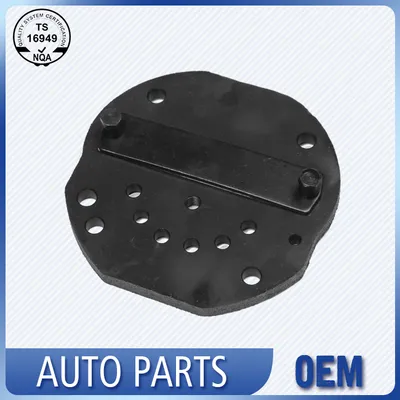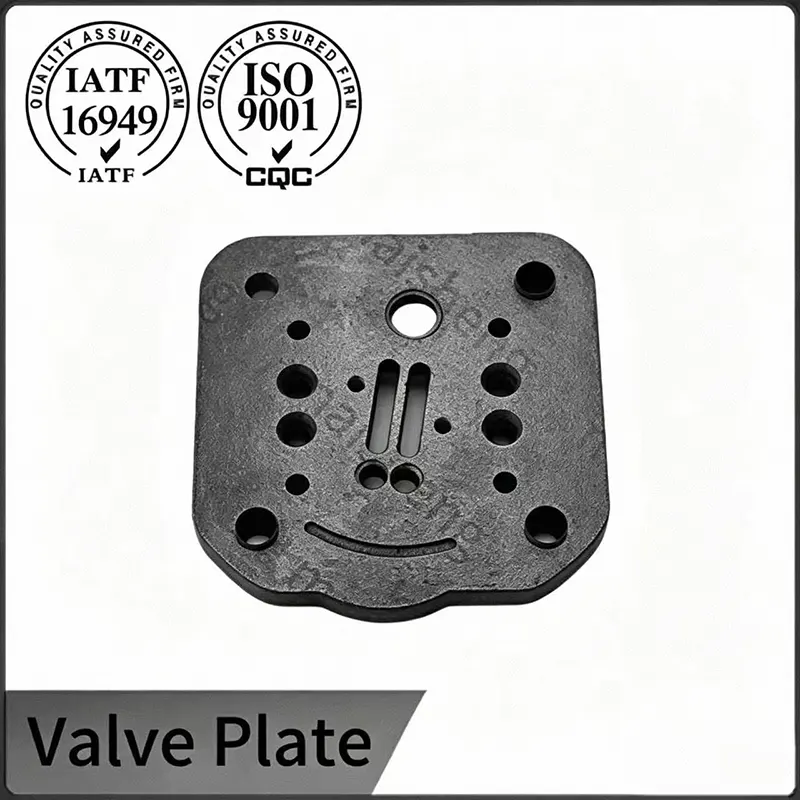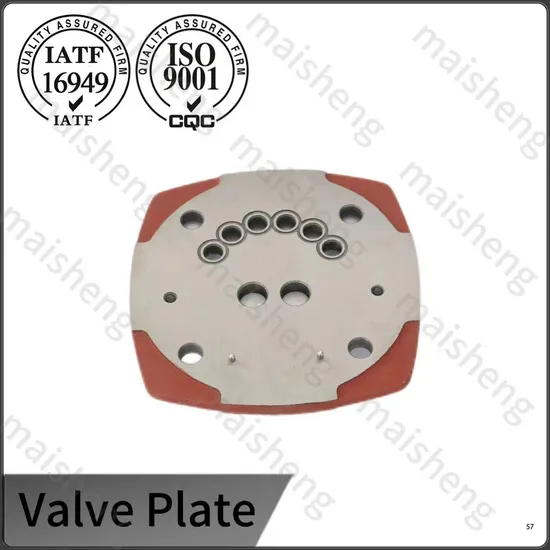

The automotive AC compressor valve plate is produced on a dedicated manufacturing cell that handles finishing, inspection and order scheduling separately from other engine component batches. This independent workflow supports spot procurement, bulk orders and drawing-based OEM development for global buyers, making it straightforward to combine sample trials and mixed-specification consolidated shipments within a single purchase cycle.
Sitting between the compressor housing and the reed valve assembly, the valve plate forms a sealed flow channel that controls refrigerant medium switching during each compression stroke. The working faces are double-disc ground to a flatness under 0.01 millimeter and a surface roughness below Ra 0.4 micron, values that are verified with a white light interferometer on every production batch. This level of surface integrity keeps the sealing band stable under cyclic pressure changes, preventing internal medium leakage that would degrade cooling performance and increase compressor duty cycle.
Non-standard dimensions are developed from customer drawings or original samples, with prototype plates machined and measured before series tooling is confirmed. Each finished plate passes a flatness check under a monochromatic light source, and bolt hole positions are audited on a vision measurement system against the datum edges. Material certificates are archived with the batch code, linking the finished valve plate to its raw stock heat number and the grinding program revision. The same inspection routine applies to periodic stocking orders, long-term framework agreements and one-off custom runs.
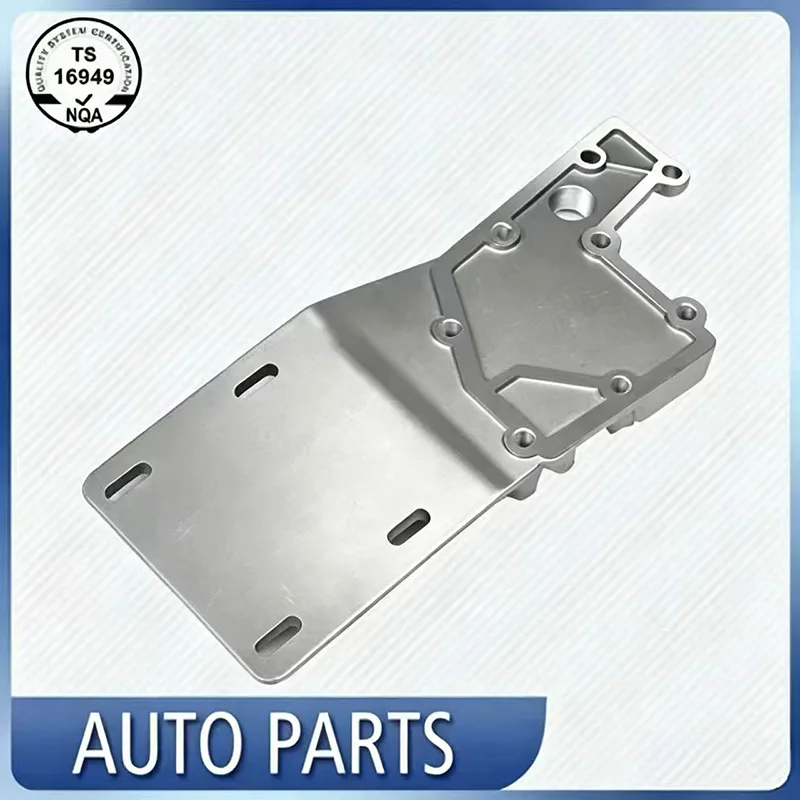
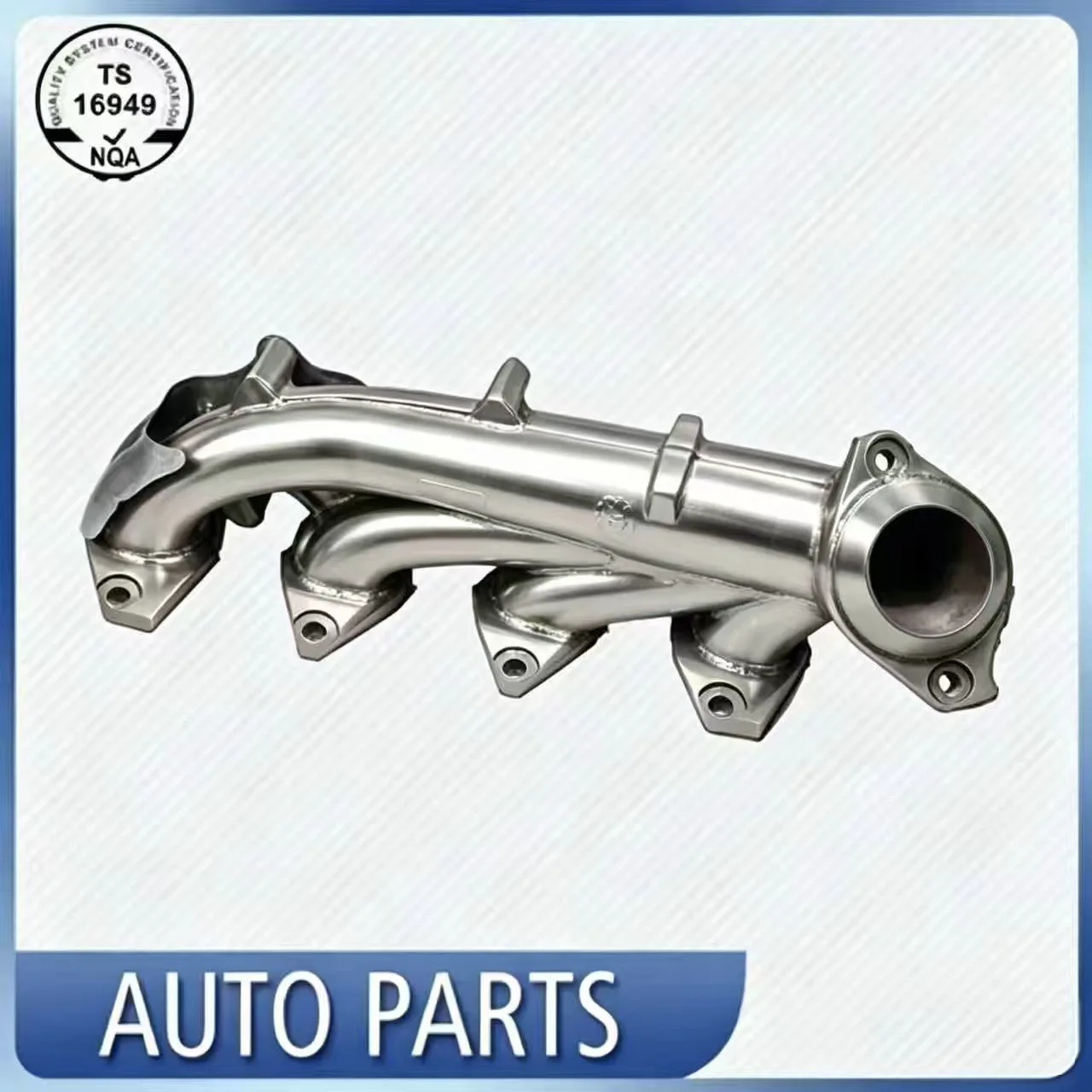
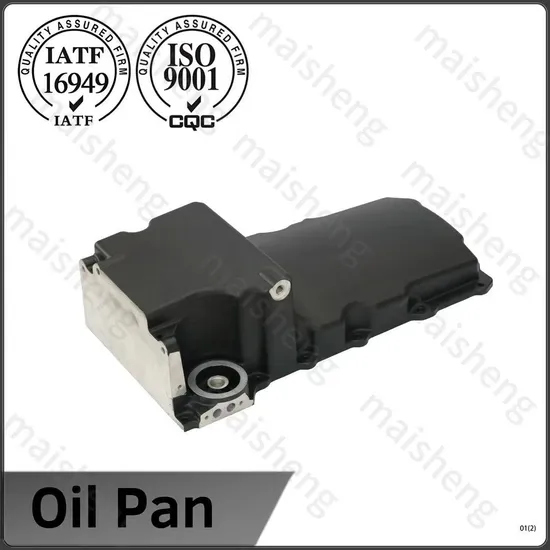
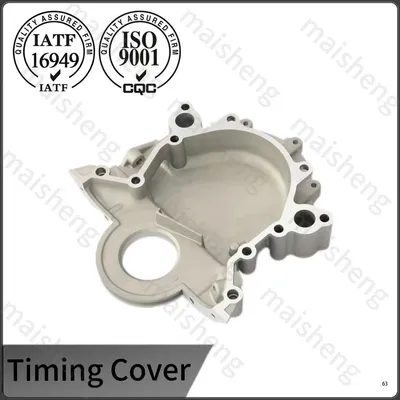
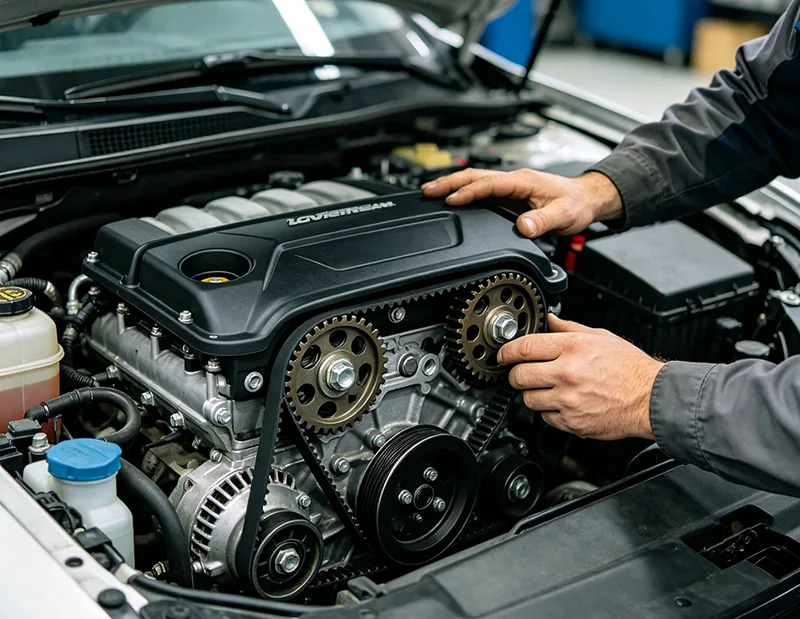
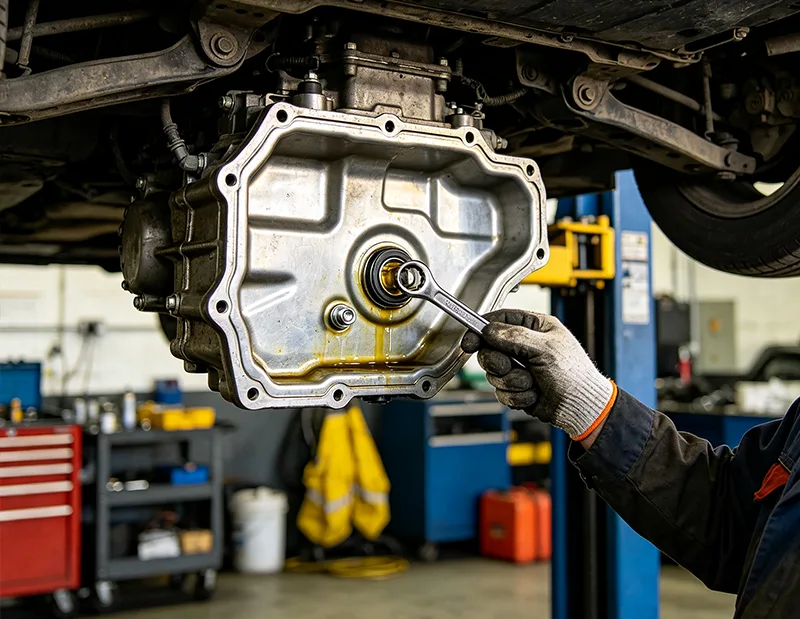
The standard valve plate range covers auto air-conditioning compressor assemblies fitted to passenger cars and light commercial vehicles, serving the daily replenishment needs of maintenance service providers and component wholesalers. The same certified production system also delivers Timing Chain Cover, Oil Pan and Exhaust Manifold, allowing regional distributors to consolidate multiple engine part categories under a unified quality agreement.
1. What surface condition and flatness are required for a compressor valve plate to seal correctly?
A: The sealing face needs a ground or lapped finish with a flatness of 0.01 mm or better and a roughness below Ra 0.4 µm. Any residual waviness or scratch can create a leakage path between the plate and the reed valve, reducing compressor volumetric efficiency and raising discharge temperature.
2. How do you validate that a custom valve plate will fit an existing compressor model?
A: A prototype is machined from the customer's sample or drawing, then inspected dimensionally and trial-fitted in a reference compressor housing. Flatness and hole position data are recorded before the production tooling is released. The same material certification and surface finish standards applied to series parts are maintained for custom items.