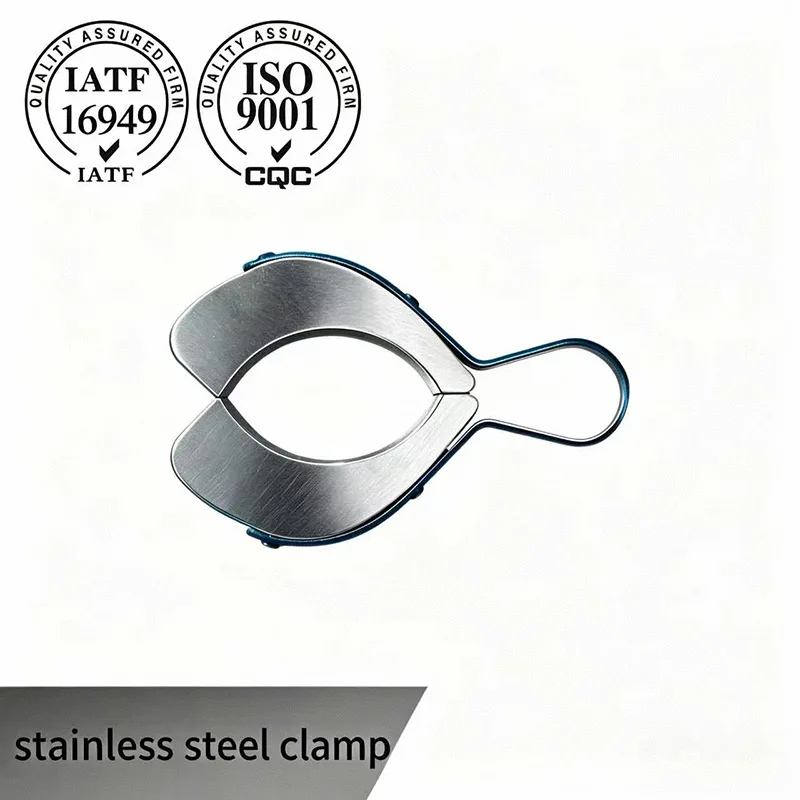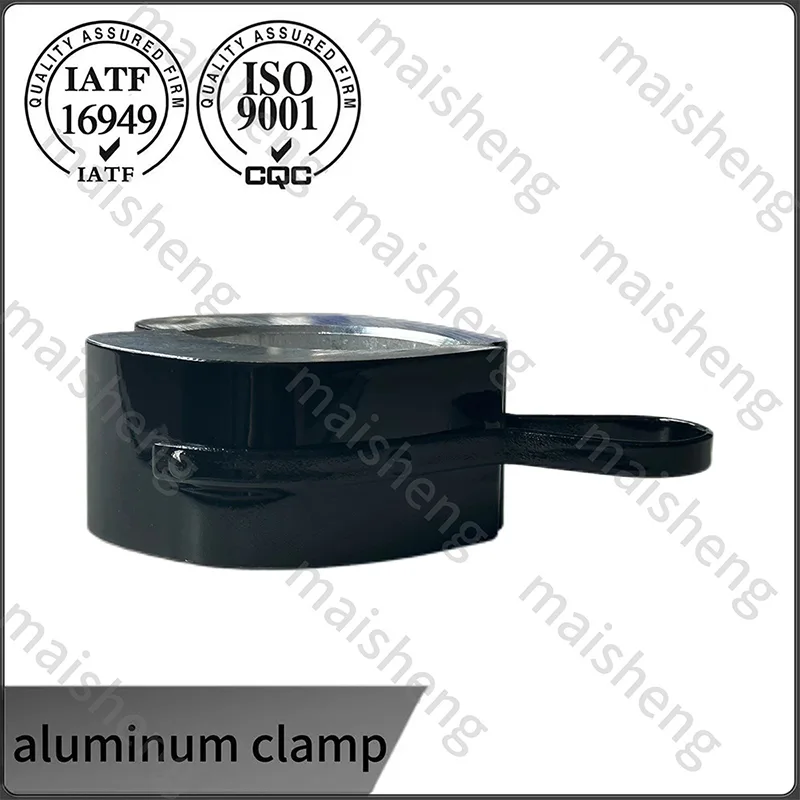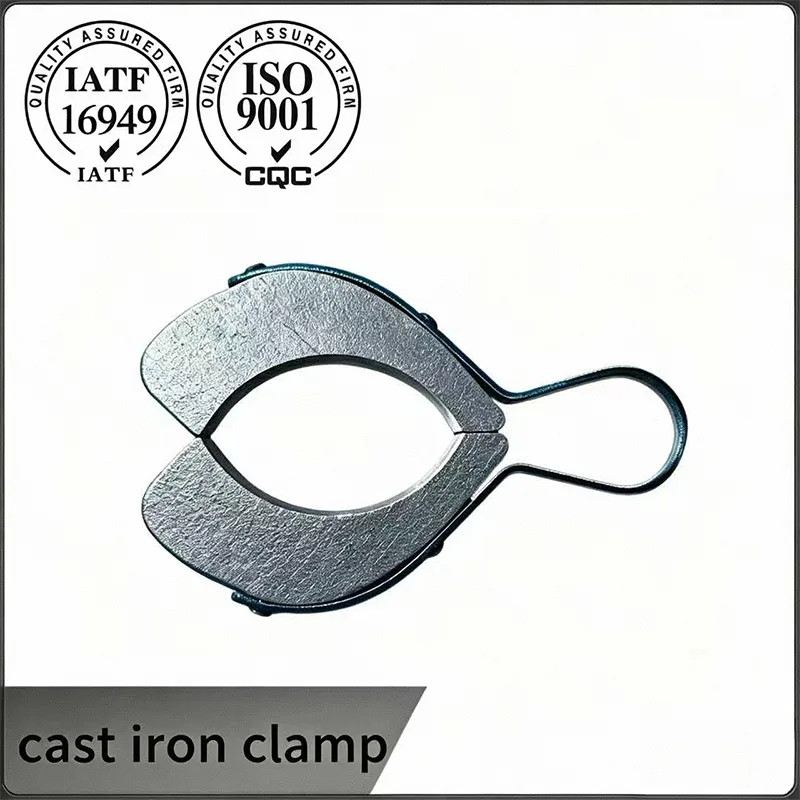

Maisheng organizes Car Clamps production by material family, running separate casting, stamping and finishing cells for cast iron, aluminum and stainless steel variants. This grouping by raw material category simplifies production scheduling and allows sample orders and mixed consolidated shipments of all three clamp types to be processed within a single planning cycle. Spot purchases, bulk orders and blueprint-based OEM development for each material variant are accepted under the same operational framework.
Each material brings distinct mechanical characteristics that suit different vehicle fluid pipeline installation conditions. Cast iron clamps offer high rigidity and vibration damping, aluminum clamps reduce weight while maintaining moderate strength, and stainless steel clamps provide strong corrosion resistance for underbody and engine compartment environments exposed to moisture and road chemicals. The dimensional standards and fastener torque ratings for each material are maintained through in-process hardness tests and thread inspections, ensuring consistent clamping force regardless of the material option selected.
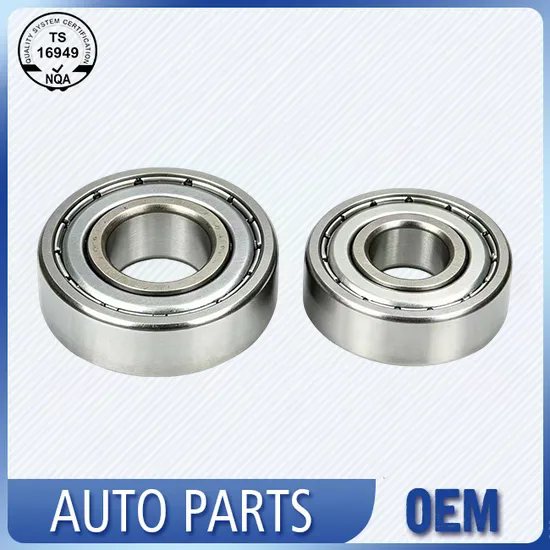
Finished clamps are dimensioned to fit a wide range of coolant, fuel, air intake and hydraulic hose diameters on passenger cars and light commercial vehicles, meeting daily maintenance replacement demand at repair workshops and spare parts retailers. The same certified production system also supplies Timing Chain Guide, Auto Bearing and Windscreen Wiper, enabling regional distributors to consolidate multiple fastening and drivetrain component categories under a single quality agreement for periodic stock replenishment or long-term sourcing contracts.
1. How do I determine whether to choose a cast iron, aluminum or stainless steel clamp for a specific application?
A: The selection depends on the operating environment and required clamping force. Cast iron clamps are often used on exhaust and heavy-duty joints where vibration damping matters. Aluminum clamps suit applications where weight reduction is a priority and operating temperatures remain moderate. Stainless steel clamps are recommended for fuel lines, coolant hoses and underbody connections exposed to salt spray and moisture. Matching the clamp material to the pipe material also helps avoid galvanic corrosion at the contact interface.
2. Can custom clamp dimensions be produced for a hose size that is not in the standard catalog?
A: Yes, provide the hose outer diameter, wall thickness and the expected working pressure, and the engineering team will specify the band width, screw type and material grade accordingly. A prototype batch is produced for fitment testing before full production is authorized. Custom clamps undergo the same dimensional checks, thread torque verification and corrosion resistance tests as standard catalog parts.