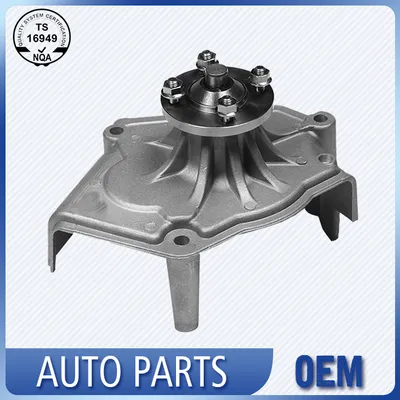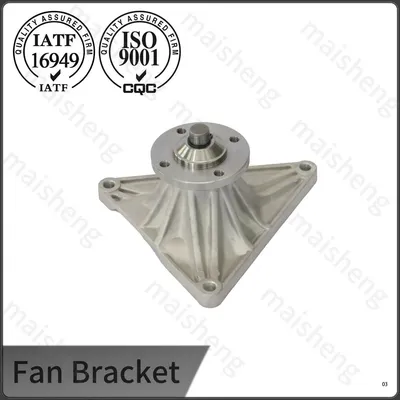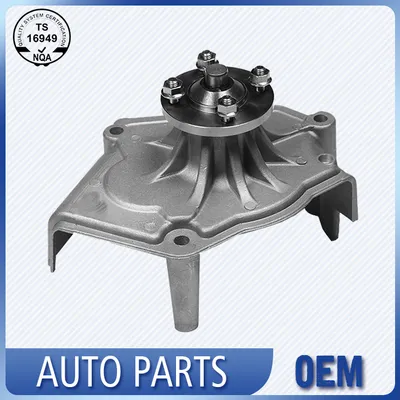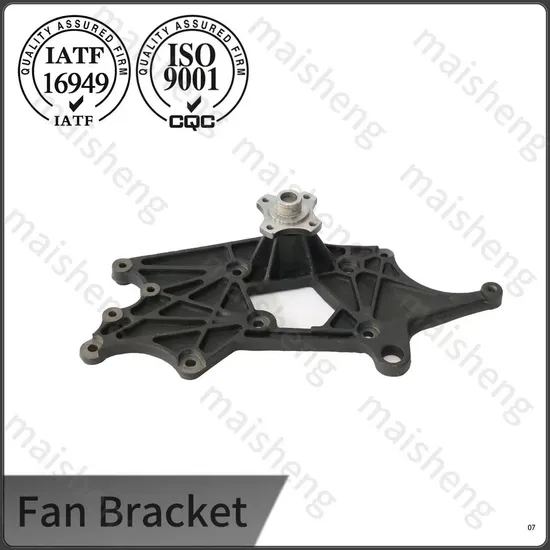

The commercial vehicle cooling system is undergoing a visible technical evolution. As electronic cooling fans, intelligent thermal management modules and stricter emission regulations reshape truck and bus design, traditional engine-driven fan assemblies are being gradually replaced or upgraded. In this changing environment, the Commercial Vehicle Fan Bracket has evolved from a simple stamped metal part into a precision component that must accommodate electric motors, sensor brackets and additional mounting points, which places higher demands on structural design and manufacturing accuracy.
Modern commercial vehicle platforms increasingly use variable-speed electric fans controlled by engine temperature sensors. This shift changes the load pattern on the bracket: instead of constant high-speed rotation, the fan now accelerates and decelerates frequently, generating repeated impact loads at mounting points. Designers therefore pay special attention to the stiffness of the bracket body, the strength of mounting bosses and the position of vibration isolators. During installation, correct air gap clearance between the fan blades and the radiator shroud is critical, because insufficient clearance causes blade interference and noise, while excessive clearance reduces cooling efficiency. Torque application must follow the specified sequence, and worn rubber isolators should be replaced at the same time to prevent vibration from transferring directly to the fan motor and radiator core.
In the coming years, lightweight materials and modular designs will continue to shape the development of engine cooling components. High-strength aluminum alloys and optimized rib structures are expected to appear on more new-generation commercial vehicle platforms, while thermal management integration will require the Commercial Vehicle Fan Bracket to work closely with shrouds, sensors and electronic controllers. For the maintenance industry, understanding these structural and functional trends is essential to perform correct inspections and ensure long-term cooling performance of modern heavy-duty trucks and buses.