
Car pedal production at Maisheng is organized on an exclusive manufacturing line, separate from other spare part batches, so that scheduling can be adjusted without interfering with unrelated component deliveries. This dedicated setup, combined with layered quality checks between each work stage, allows the factory to process sample lots and consolidated bulk orders from aftermarket buyers in a single planning window.
Installed inside the driving cabin, the pedal transfers the driver's stepping force to the throttle, brake or clutch linkage. Fine structural processing reinforces stress-bearing areas to resist fatigue from repeated pressing cycles during daily vehicle use. Depending on the application, pedals are fabricated from stamped steel, cast aluminum or a combination of a metal arm with an overmolded rubber pad, each designed to maintain its original shape and pivot smoothness over the expected service interval.
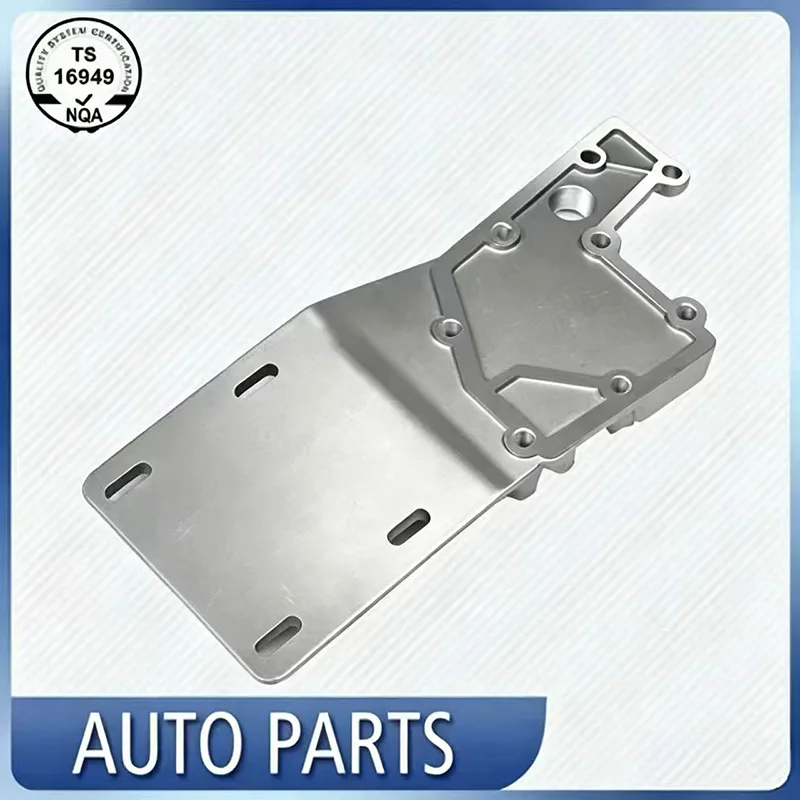
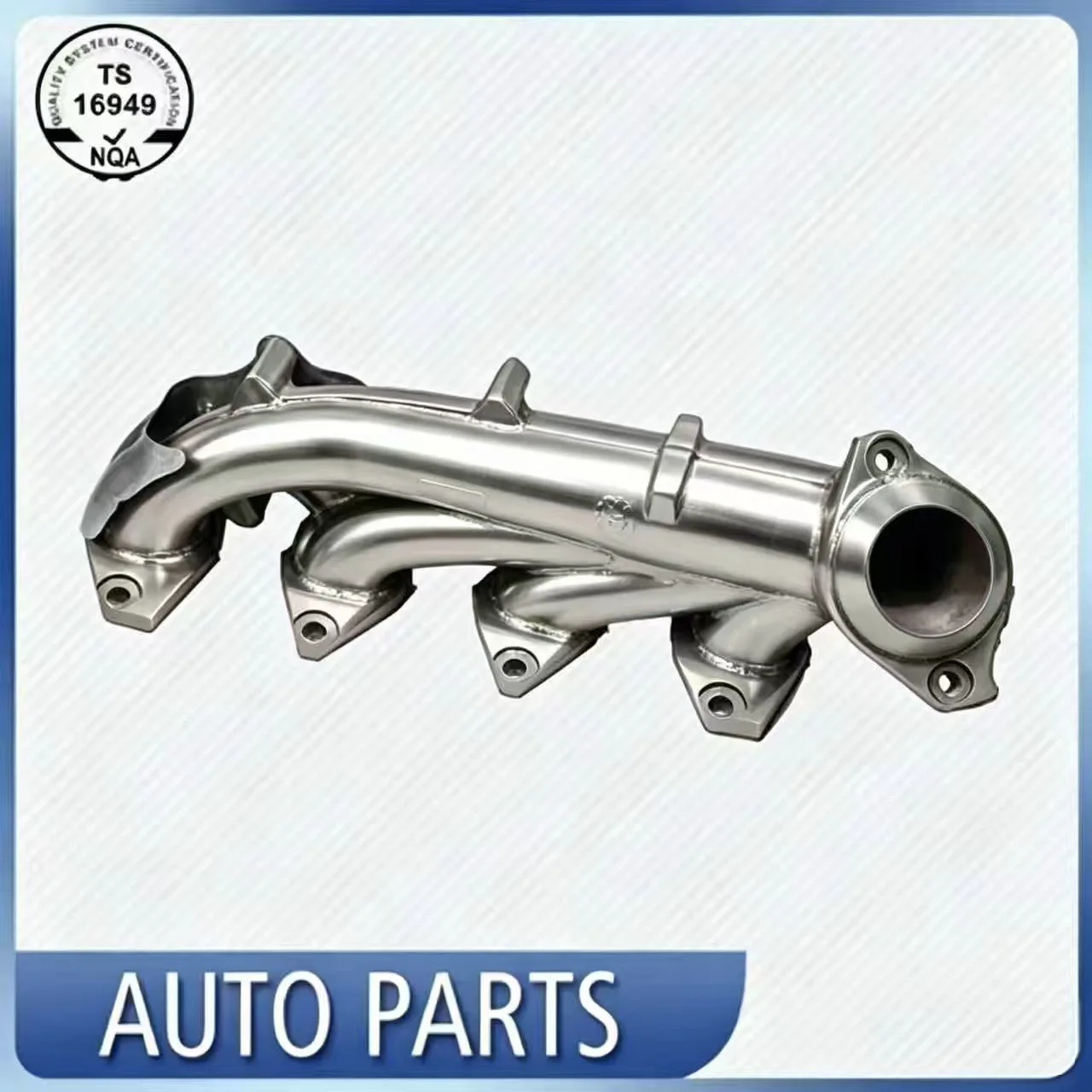
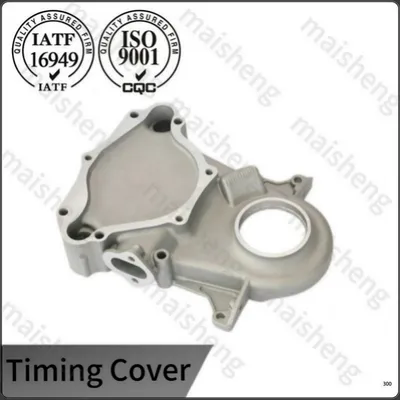
The standard pedal range matches mainstream passenger cars and light commercial vehicles, supporting routine stocking needs of repair suppliers and regional distributors. For periodic replenishment or long-term framework agreements, the same production cell that builds pedals also supplies Windscreen Wiper, Car Clamps and Timing Chain Cover, offering consolidated sourcing across multiple cabin and engine bay component groups.
1. What design features help a car pedal withstand millions of repetitive strokes?
A: The metal arm is typically formed from medium-carbon steel or aluminum alloy with a calculated cross-section that distributes bending stress across a broad area. Pivot bushings are made from self-lubricating sintered bronze or polymer to reduce friction, and the assembly undergoes a cycle test on a pneumatic rig to confirm that no yield deformation or bushing play develops within the target life.
2. How can I identify whether a pedal assembly is worn and needs replacement?
A: Signs include side-to-side wobble at the pivot, a pedal that does not return fully to its rest position, cracking or delamination of the rubber pad, and visible metal fatigue at the mounting bracket. If any of these conditions are observed, replacing the assembly restores consistent travel and reduces the risk of throttle or brake input inconsistency.