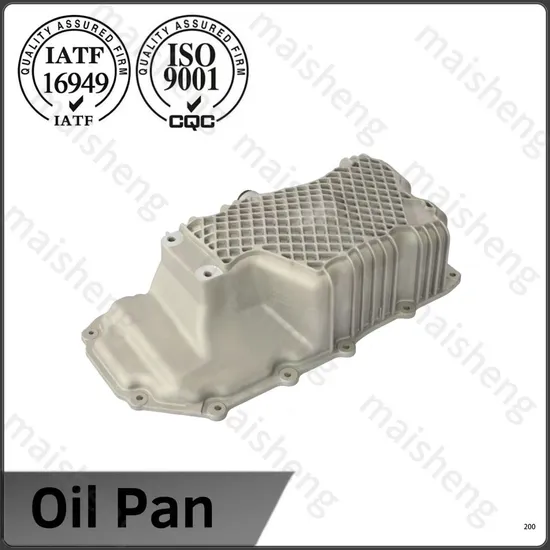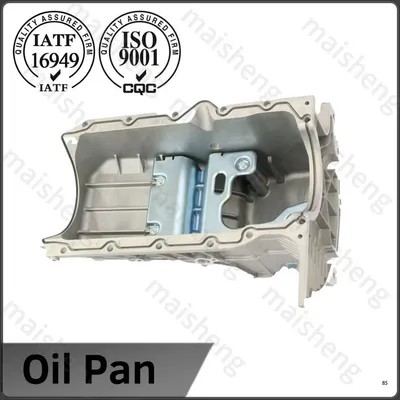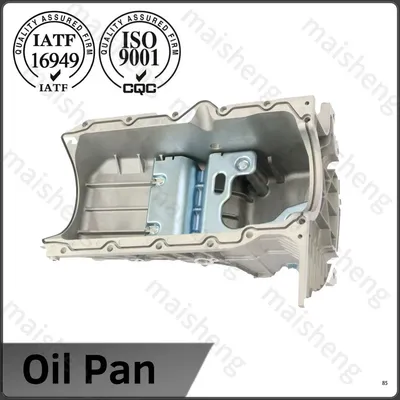

For aftermarket distributors and repair technicians, oil pan replacement failures often come not from material quality, but from improper part selection and flawed installation workflows. Many repair shops report repeated oil leaks and premature component damage after oil pan replacement, even when using premium aftermarket parts. In this technical report, the industry focuses on the common pitfalls during oil pan retrofitting, and the Aluminum oil pan has become a popular upgrade solution for solving recurring leakage problems on many modern engines. Unlike simple material comparison articles, this guide concentrates on practical selection criteria, assembly best practices and maintenance reminders, which are highly valuable for global auto parts buyers and service technicians.
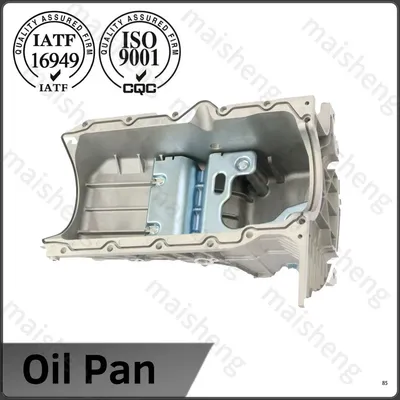
A widespread misunderstanding in the repair industry is the assumption that any replacement oil pan matching the same engine model will fit and seal properly. In reality, subtle differences in flange thickness, oil pickup clearance and mounting boss geometry can lead to assembly interference. For plastic OEM oil pans, thermal cycling and engine vibration will gradually warp the sealing flange, leading to slow oil seepage after 60,000 to 80,000 miles. Many professional repair facilities choose to upgrade to cast alloy alternatives, because the rigid casting structure resists thermal deformation far better than plastic housings. When selecting such products, buyers should verify three critical details: the flatness of CNC-machined sealing surface, the matching position of oil drain port and sensor bosses, and internal baffle design that prevents oil starvation under hard cornering. Even high-quality cast alloy products may leak if technicians reuse old gaskets, skip surface cleaning or apply uneven bolt torque. The soft nature of aluminum alloy also requires special care during surface preparation; metal scrapers will leave fine scratches on the flange and create permanent oil seepage paths.
Professional installers have established standardized operating procedures for fitting this type of component. Before mounting the Aluminum oil pan, technicians must fully remove all residual old sealant from the engine block using plastic scrapers and alcohol cleaning. Bolts need to be tightened gradually in a cross sequence with a torque wrench, rather than tightened randomly by hand. Reusing torque-to-yield bolts is one of the top causes of recurring leaks. Although cast alloy oil pans offer better rigidity and thermal performance, they have a different weakness compared with stamped steel versions: sharp impact from road debris may create cracks, which cannot be simply straightened like thin steel pans. Therefore, distributors should clearly communicate this feature to end users, and recommend chassis protection for vehicles that frequently drive on gravel or rough roads. This kind of transparent technical guidance helps repair shops reduce after-sales claims and build trust with vehicle owners.
For global auto parts merchants, product compatibility documentation and technical support are becoming decisive competitive factors. Buyers no longer only compare unit prices; they also evaluate whether suppliers can provide clear installation notes, torque specifications and model fitment lists. Suppliers who ignore technical documentation often face high return rates and customer complaints, especially for alloy engine components with strict assembly requirements. As more original equipment manufacturers switch to aluminum oil pans on new vehicle platforms, the aftermarket replacement demand for these parts will keep rising steadily.
Looking ahead, aftermarket service standards will continue to raise requirements for replacement component matching and installation specification. Professional component manufacturers will refine the structural design and accessory matching of the Aluminum oil pan, including integrated baffles, reinforced mounting lugs and pre-machined sensor ports, to simplify on-site installation and lower human error risks. For global distributors and repair specialists, mastering the selection rules and assembly precautions of oil pan replacement parts is essential to cut down warranty cases and deliver reliable engine maintenance services for end customers.