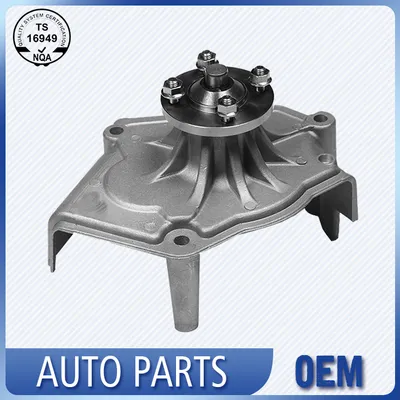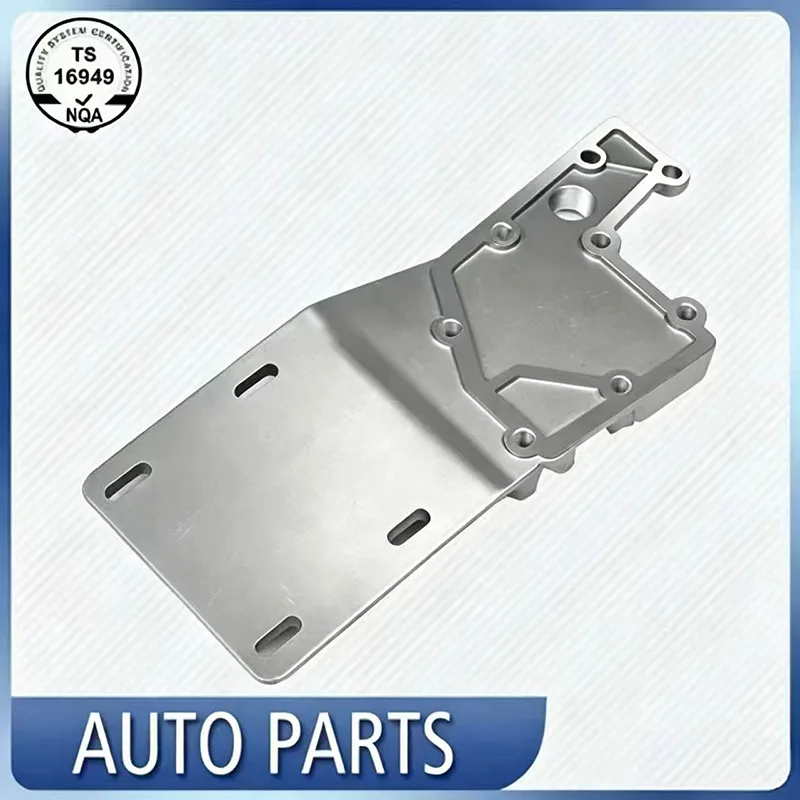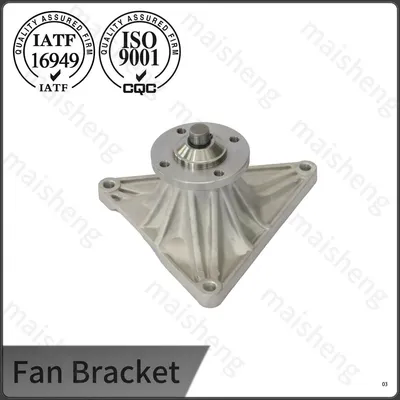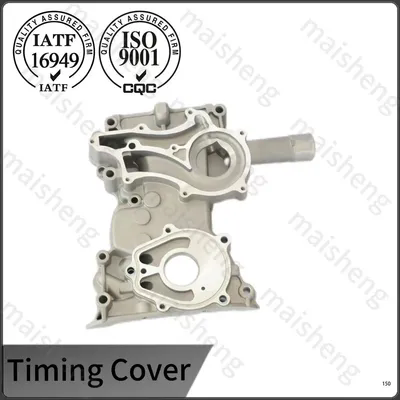

The global automotive aftermarket is seeing steady growth in cooling system service demand as vehicle age and mileage continue rising across North America, Europe and Southeast Asia. Among the essential but often overlooked components, the Light Vehicle Fan Bracket keeps the cooling fan correctly positioned and aligned with the radiator. When this bracket loses its original strength, the whole cooling system becomes unstable, leading to fan vibration, blade interference, abnormal noise and, in serious cases, engine overheating.
Field inspection data from professional repair networks shows that most fan bracket failures are caused by long-term vibration fatigue, thermal stress and surface corrosion. Stamped steel brackets may bend under repeated load cycles, while low-quality aluminum brackets often develop cracks around mounting holes. A weakened bracket tilts the fan, accelerates water pump bearing wear and can even damage the radiator core. For this reason, technicians recommend replacing the bracket together with the fan motor, clutch or radiator. During installation, correct bolt torque and precise alignment are critical, because uneven stress distribution shortens the service life of the new part. High-quality replacement brackets made from thicker steel plate or reinforced aluminum alloy with anti-corrosion coating provide better rigidity and dimensional accuracy than generic low-cost products.
Looking ahead, lightweight design and longer maintenance intervals will continue to drive cooling system upgrades. More distributors and repair shops now prefer high-precision replacement parts with verified material quality. For overseas buyers, choosing a reliable Light Vehicle Fan Bracket supplier with complete testing capability and stable supply can reduce warranty claims and improve end-customer satisfaction. Understanding the structural requirements of this small but essential component helps aftermarket players remain competitive in the growing cooling system market.