
Article Summary:
An exhaust manifold is a critical engine component that directly influences exhaust flow, engine efficiency, heat management, and overall vehicle performance. Choosing a reliable exhaust manifold requires understanding its structure, materials, manufacturing precision, and long-term durability. This article explains how exhaust manifolds work, why they matter, common problems caused by poor-quality components, and how professional manufacturers such as Maisheng provide dependable automotive solutions for global customers.
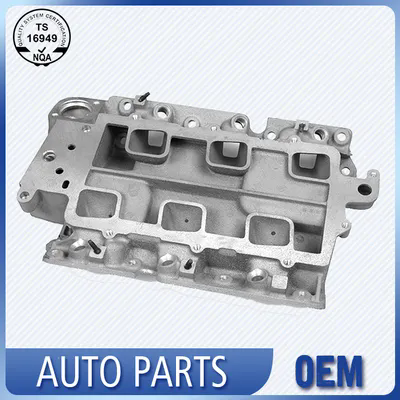
The exhaust manifold is one of the most important parts of an automotive exhaust system. Installed directly on the engine cylinder head, it collects exhaust gases produced by multiple cylinders and guides them into a single exhaust pipe. This process helps the engine release combustion gases efficiently while maintaining proper operating conditions.
Many vehicle owners focus on visible performance upgrades such as wheels, suspension, or exterior modifications, but the exhaust manifold plays a hidden yet essential role in engine efficiency. A well-designed exhaust manifold can improve exhaust flow, reduce unnecessary back pressure, support better fuel combustion, and contribute to longer engine life.
For automotive manufacturers and suppliers, producing a reliable exhaust manifold requires advanced manufacturing technology, accurate machining, and strict quality control. Maisheng specializes in automotive components and provides precision-engineered solutions including exhaust manifolds, cast components, and other vehicle parts designed for different application requirements.
An exhaust manifold operates by collecting exhaust gases from individual engine cylinders. During combustion, each cylinder produces high-temperature gases that must quickly leave the combustion chamber. The exhaust manifold provides a controlled pathway for these gases to move toward the exhaust system.
The working process can be divided into several steps:
The internal design of an exhaust manifold significantly affects airflow performance. Poorly designed passages may create turbulence and restrict gas movement, while optimized designs allow smoother exhaust discharge.
A properly designed exhaust manifold provides several important benefits for modern vehicles. It is not only responsible for directing exhaust gases but also influences engine efficiency, emissions control, and driving performance.
| Function | Impact on Vehicle Performance |
|---|---|
| Efficient exhaust collection | Allows combustion gases to leave cylinders smoothly and supports stable engine operation. |
| Reduced exhaust restriction | Helps maintain better airflow and improves engine response. |
| Heat management | Controls high-temperature exhaust gases and protects surrounding components. |
| Improved durability | A strong manifold design reduces cracking and deformation caused by thermal stress. |
A low-quality exhaust manifold may cause various issues, including reduced engine power, unusual noises, exhaust leakage, and increased maintenance costs. Therefore, selecting a dependable manufacturer is essential for vehicle manufacturers, repair companies, and aftermarket suppliers.
Manufacturing an exhaust manifold requires precise engineering because the component must withstand extreme temperatures, vibration, and continuous pressure changes. Professional production involves multiple processes to ensure structural strength and dimensional accuracy.
Maisheng applies professional manufacturing capabilities and precision equipment to produce automotive parts. The company focuses on quality control, advanced processing technology, and customized production support for customers requiring reliable automotive components.
| Material | Main Advantages | Typical Applications |
|---|---|---|
| Cast Iron | Excellent heat resistance, durability, and vibration resistance. | Passenger vehicles, commercial engines, heavy-duty applications. |
| Stainless Steel | Strong corrosion resistance and attractive appearance. | Performance vehicles and modified applications. |
| Alloy Materials | Balanced strength, weight reduction, and manufacturing flexibility. | Modern automotive systems requiring optimized performance. |
The ideal material depends on operating temperature, vehicle design, cost requirements, and expected service conditions. Professional suppliers evaluate these factors before recommending suitable manufacturing solutions.
Although exhaust manifolds are designed to withstand extreme working environments, they may still experience problems after long-term operation. High temperatures, repeated thermal expansion and contraction, engine vibration, and improper installation can gradually affect performance.
Understanding common exhaust manifold failures helps vehicle owners, repair professionals, and manufacturers identify problems earlier and avoid unnecessary repair costs.
| Common Problem | Possible Causes | Recommended Solution |
|---|---|---|
| Exhaust Manifold Cracks | Continuous thermal cycling, excessive vibration, poor material quality, or manufacturing defects. | Replace damaged components with a durable exhaust manifold manufactured with suitable materials and accurate processing technology. |
| Exhaust Leakage | Damaged seals, loose connections, cracks, or improper installation. | Inspect connection points, replace damaged parts, and ensure correct installation procedures. |
| Reduced Engine Performance | Restricted exhaust flow, internal blockage, or poor manifold design. | Use a properly designed exhaust manifold that supports smooth gas flow and efficient engine operation. |
| Excessive Noise | Leaks or structural damage allowing exhaust gases to escape. | Perform a complete inspection and repair or replace the affected component. |
| Corrosion Damage | Exposure to moisture, chemicals, and harsh operating conditions. | Choose corrosion-resistant materials and protective manufacturing processes. |
Regular inspection is an effective way to maintain exhaust system reliability. Early detection of abnormal sounds, reduced power output, unusual smells, or visible damage can help prevent more serious engine-related issues.
Selecting a suitable exhaust manifold requires more than simply matching dimensions. Different engines, vehicle applications, and operating environments require different designs and material considerations.
When evaluating an exhaust manifold supplier or product, consider the following factors:
For automotive businesses, choosing an experienced manufacturer can reduce supply risks and improve product reliability. A professional supplier should provide not only products but also technical support throughout the development and production process.
Maisheng is committed to providing reliable automotive component solutions with professional manufacturing capabilities and strict production standards. The company understands that exhaust manifolds must perform under demanding conditions, including high temperatures, continuous vibration, and long service cycles.
By combining engineering experience with advanced manufacturing processes, Maisheng provides exhaust manifold products designed to meet different application requirements. The company focuses on product consistency, structural reliability, and customer-oriented solutions for automotive industries worldwide.
The advantages of working with Maisheng include:
For companies searching for a trustworthy exhaust manifold manufacturer, cooperation with an experienced supplier can provide better product performance, improved production efficiency, and long-term value.
Proper maintenance and correct usage can significantly improve exhaust manifold durability. Although the component operates in a high-temperature environment, several practices can reduce unnecessary stress.
A reliable exhaust manifold is an investment in long-term vehicle performance. Choosing a professionally manufactured product helps minimize downtime and maintenance requirements.
An exhaust manifold collects exhaust gases from multiple engine cylinders and directs them into the vehicle exhaust system. It helps maintain efficient exhaust flow and supports stable engine operation.
The service life of an exhaust manifold depends on material quality, driving conditions, engine design, and maintenance practices. High-quality components manufactured with durable materials can provide long-term performance under proper operating conditions.
Common signs include unusual exhaust noises, reduced engine performance, visible cracks, exhaust smells inside the vehicle, and increased fuel consumption.
Yes. A damaged exhaust manifold may cause exhaust leakage, reduced airflow efficiency, and incorrect engine operation, which can negatively affect vehicle performance.
Professional manufacturers provide better material selection, accurate production processes, quality control, and customized solutions, helping customers achieve more reliable products.
An exhaust manifold plays a vital role in controlling exhaust flow, improving engine efficiency, and maintaining vehicle reliability. Because it operates under extreme temperature and pressure conditions, product quality and manufacturing precision are essential.
From material selection and engineering design to production accuracy and quality inspection, every stage influences the final performance of an exhaust manifold. Working with an experienced supplier like Maisheng allows customers to obtain dependable automotive components designed for demanding applications.
Whether you need standard exhaust manifold products or customized automotive solutions, Maisheng is ready to provide professional support and reliable manufacturing services. For more information about our exhaust manifold solutions and customized requirements, please contact us today.