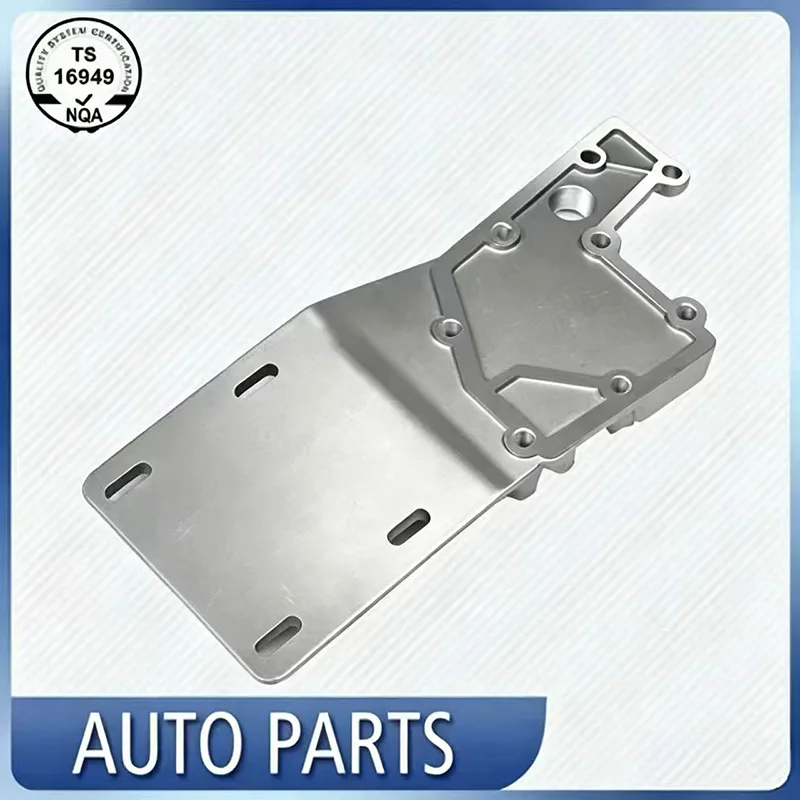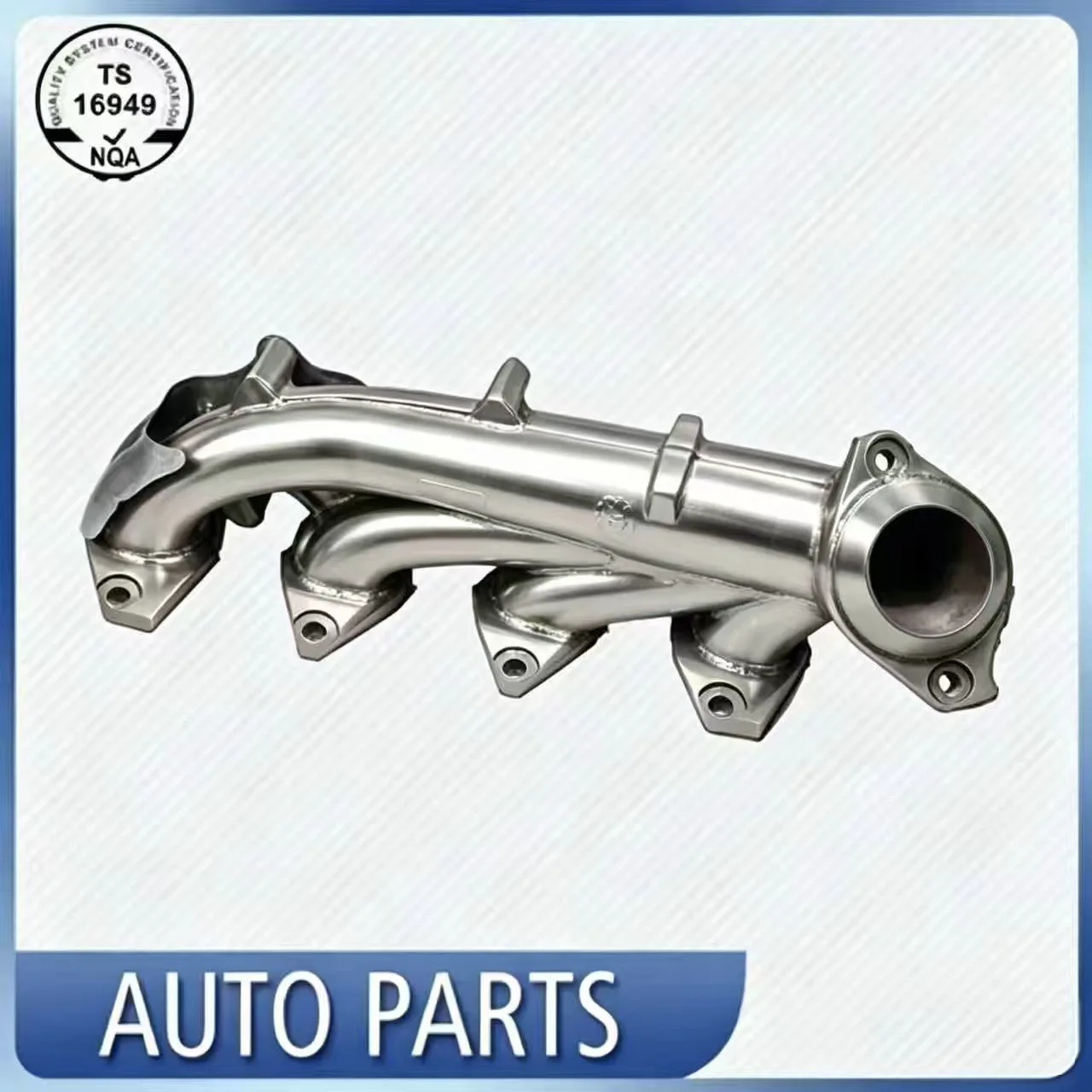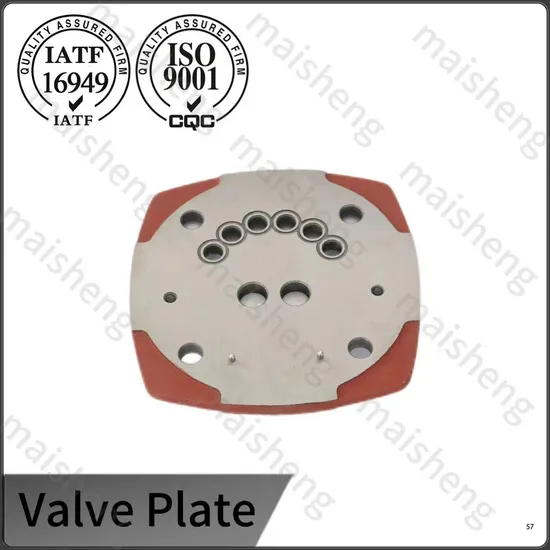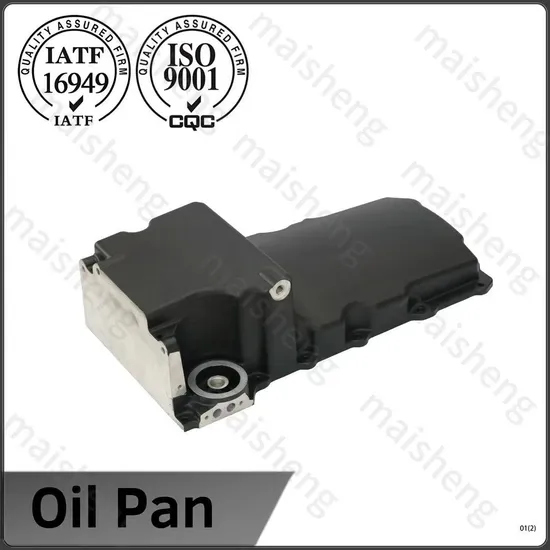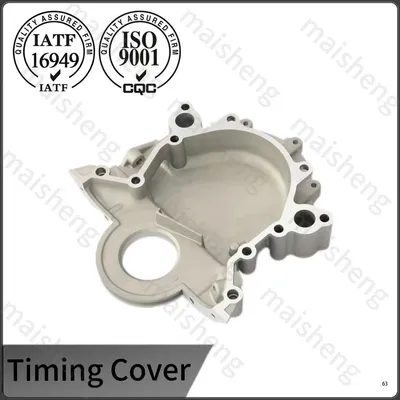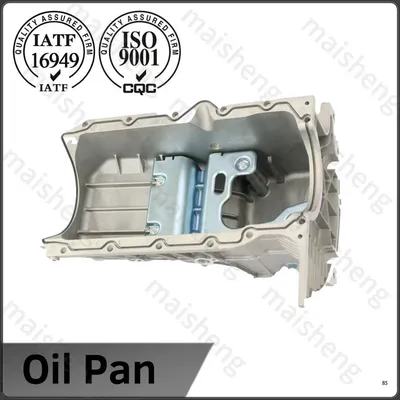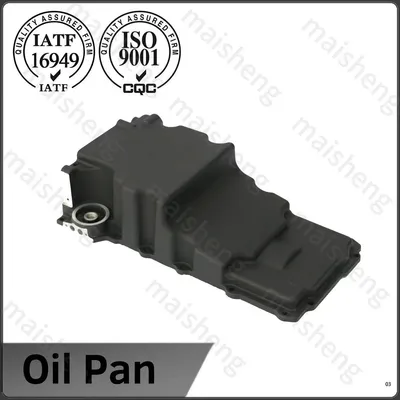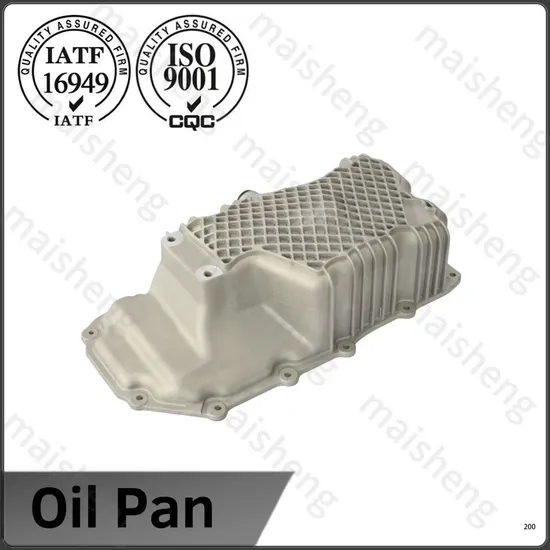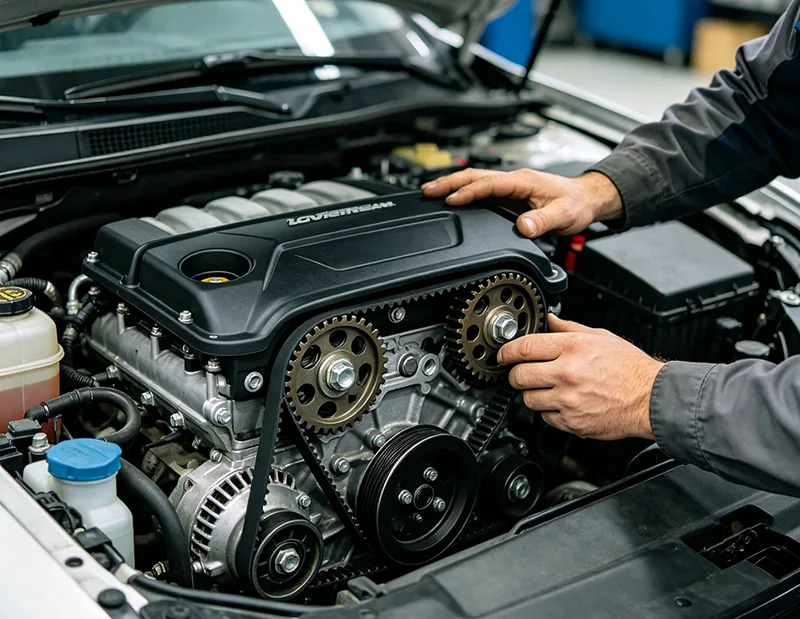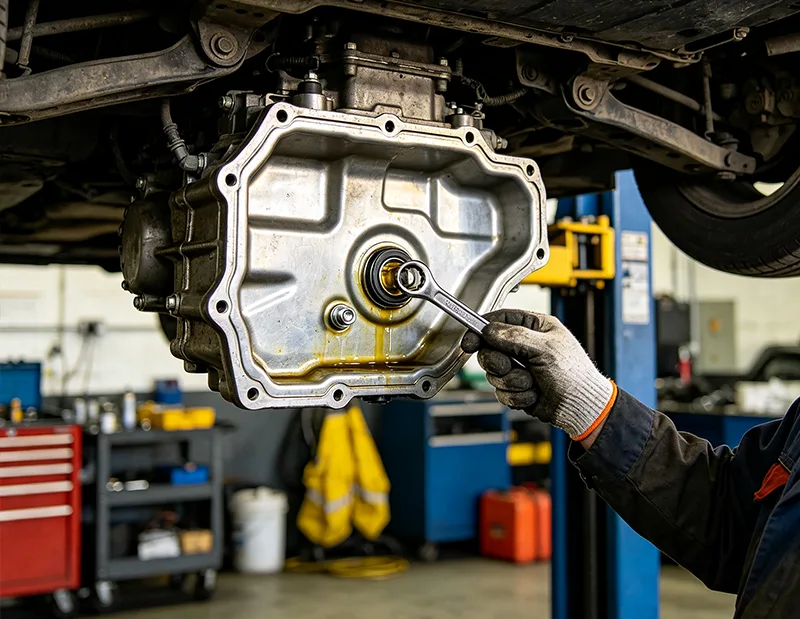

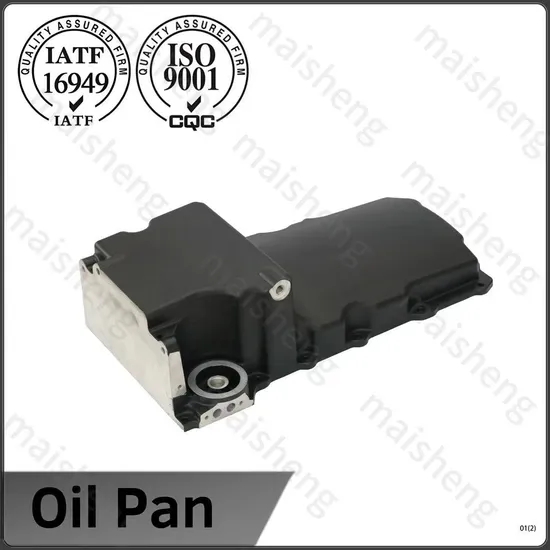
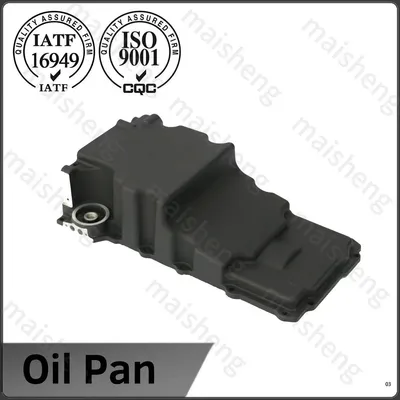
This heavy-duty Cast iron oil pan is engineered for engines that demand uncompromising structural integrity under sustained stress. Unlike lighter alternatives, its dense cast iron construction delivers superior vibration dampening and thermal stability, helping protect critical engine components during high-load operation. Each unit is precision-formed to maintain a secure fit, minimizing the risk of leaks even with prolonged use. Tailored to handle the rigors of everyday and demanding driving conditions, it is built for long-term durability you can count on.
|
Product Model NO. |
OP127 |
Warranty Period |
12 Months |
|
Product Type |
Oil Sump |
Brand |
OEM |
|
Application |
Car |
Product Specification |
Based on Your Requirement |
|
Applicable Engine |
Gasoline |
Product Color |
Custom |
|
Applicable Cylinder |
Multi-cylinder |
Origin |
Zhejiang, China |
|
Material |
Cast iron |
Production Capacity |
200 Pieces/Week |
|
Processing Technology |
Precision Metal Stamping |
Transport Package |
Bulk Packaging |
|
Certification |
ISO/TS16949 |
Payment Term |
T/T |
This Cast iron oil pan offers exceptional rigidity and vibration damping for gasoline multi-cylinder engines. Its heavy-duty, corrosion-resistant build ensures reliable performance under harsh conditions, with customizable dimensions and colors available.
Every Cast iron oil pan is shaped via mature casting techniques. Strict raw material selection and refined smelting ensure uniform material texture. Adopting seamless forming and fine surface treatment, the product gains better tightness and structural stability, delivering lasting and reliable performance for vehicle engines.
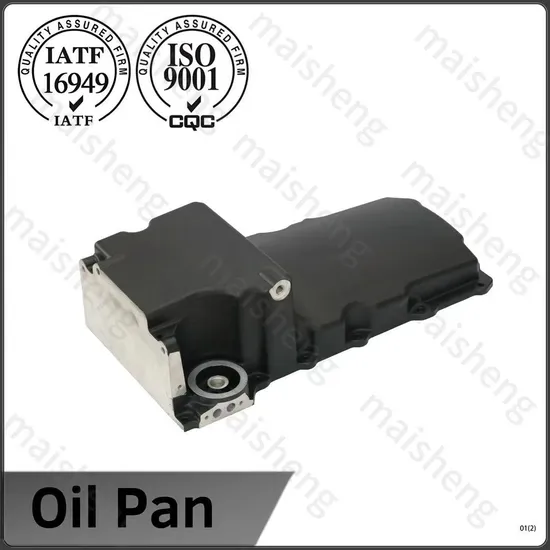
The iron formulation targets a pearlitic matrix with uniformly dispersed type A graphite flakes, a structure that combines high thermal conductivity with natural internal damping. During casting, the melt temperature and inoculation practice are controlled to keep the carbon equivalent within a narrow window, suppressing the formation of carbide phases that would make the material brittle. Each batch undergoes a chill wedge test and a spectrographic check to confirm that silicon and chromium levels remain at the lower end of the specification, which reduces the tendency for intergranular corrosion around the flange bolt bosses. After shakeout, the pans are cycled through a normalizing furnace set at 850 degrees Celsius, followed by a controlled air cool that homogenizes the grain structure and relieves solidification stresses. Hardness measurements taken at six points on the flange land consistently between 170 and 210 HBW, a range that provides strong resistance against galling when the sump is repeatedly bolted to the cylinder block.
The flange sealing surface is milled flat on a CNC machining center immediately after normalizing. Surface profile is measured against a granite datum using a dial indicator with a resolution of 0.005 millimeter, and the total indicator reading across the entire perimeter must not exceed 0.12 millimeter. Bolt hole positions are verified relative to the theoretical cylinder block dowel pattern with a coordinate measuring machine, keeping center distance errors under 0.15 millimeter. Following machining, every pan is pressurized with shop air to 0.5 bar while immersed in a water tank. A sustained observation period of 30 seconds is applied; any stream of bubbles triggers an immediate quarantine and a full review of the casting and machining parameters for that batch. This combination of mechanical inspection and immersion testing provides objective evidence that the pan will maintain a dry gasket joint throughout the engine service interval.
After the leak test, the external surface receives a shot blasting operation with fine steel grit that removes surface oxide scale and provides a uniform satin profile. A corrosion inhibiting coating is then applied by dip painting with a solvent based black alkyd enamel, formulated to withstand 400 hours of neutral salt spray per ASTM B117 without red rust breakthrough. The internal surface remains uncoated, preserving the oil's natural ability to form a protective boundary film on the iron. Drain plug threads are coated with a dry film lubricant to prevent seizure after repeated oil changes, and a magnetic insert can be incorporated into the plug seat on request to capture ferrous wear particles from the oil circuit.
The production line operates under an IATF 16949 certified quality system within a facility that has specialized in iron and aluminum automotive components for more than 25 years. Incoming foundry returns are verified via optical emission spectrometry, and only heats with an elemental composition within the agreed tolerance are accepted. Every cast oil pan carries a traceable heat number that is logged against the spectrometer chart, the normalizing furnace cycle, the CNC program revision and the final inspection report. This data package supports full level 3 PPAP submissions for OEM engine programs, providing engineering teams with the confidence needed to qualify the pan for high mileage vehicle platforms.
1. Why do heavy-duty engines abandon aluminum pans and choose cast iron pans?
A: Heavy-duty engines generate continuous strong vibration during operation. Aluminum pans are prone to micro-deformation under long-term vibration, leading to persistent oil seepage. Cast iron has strong vibration fatigue resistance, stable dimensional accuracy, no deformation for long-term use, and can solve the chronic oil leakage problem of heavy equipment.
2.Can I reuse the old gasket when replacing a cast iron oil pan?
A: Not recommended at all. Heavy machinery has intense vibration. Old gaskets have elastic fatigue and compression deformation, which cannot fit tightly. Reuse will definitely cause oil leakage. A brand-new matched gasket is mandatory for installation.
3.What is the recommended break-in procedure after installing a new cast iron oil pan?
A: Fill the sump with the grade and viscosity of oil specified for the engine, then crank the engine with the ignition disabled until the oil pressure warning light extinguishes. After starting, let the engine idle for five minutes and inspect the flange perimeter visually for any seepage. Retighten the sump bolts to the nominal torque value after the first 500 kilometers of driving, as the gasket may experience initial compression set. This simple step secures the joint for the remainder of the oil change interval and avoids the low torque conditions that lead to leakage.
Address
NO.556,Kangzhuang South road, Jiangbei District,Ningbo City, Zhejiang China
Tel
If you have any enquiry about quotation or cooperation, please feel free to email us at huyanping@nbmachinery.com or use the following inquiry form.Our sales representative will contact you within 24 hours. Thank you for your interest in our products.