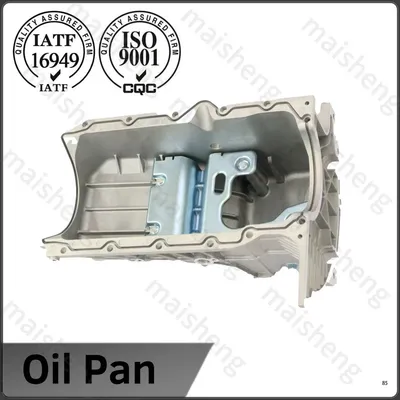

An Oil Pan is a critical engine component that plays an essential role in storing, protecting, and supplying engine oil. Although it is often overlooked compared with other engine parts, a high-quality oil pan directly affects lubrication efficiency, engine durability, heat management, and overall vehicle reliability. This article explains how an oil pan works, why it matters, common problems caused by poor-quality oil pans, and how manufacturers and users can choose the right solution for different applications.
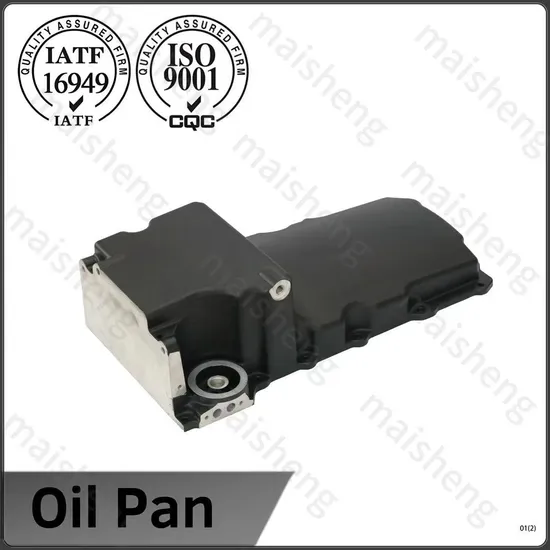
With advanced manufacturing experience and a focus on durable automotive components, Maisheng provides reliable oil pan solutions designed to meet different vehicle requirements. Understanding the function and advantages of oil pans helps customers reduce maintenance costs, avoid oil leakage problems, and improve engine service life.
An Oil Pan is a reservoir located at the bottom of an engine that stores lubricating oil when the engine is not circulating oil. It is an important part of the engine lubrication system because it ensures that enough oil is available for continuous operation.
During engine operation, moving components such as pistons, crankshafts, and bearings create significant friction and heat. Engine oil reduces friction, removes heat, and prevents excessive wear. The oil pan provides a secure storage area where oil can collect before being pumped through the engine.
A damaged or poorly designed oil pan may lead to oil leakage, insufficient lubrication, and even serious engine damage. Therefore, selecting a durable oil pan is essential for maintaining vehicle performance and reliability.
| Function | Importance |
|---|---|
| Oil Storage | Keeps sufficient lubricant available for engine operation |
| Oil Protection | Protects engine oil from external contamination |
| Heat Dissipation | Helps reduce oil temperature during operation |
| Structural Protection | Provides protection for lower engine components |
The working process of an oil pan is closely connected with the complete engine lubrication system. When the engine stops, oil flows downward and collects inside the oil pan. When the engine starts, the oil pump draws oil from the oil pan and sends it through oil passages to different engine components.
The circulation process allows oil to continuously lubricate high-speed moving parts. After completing lubrication, the oil returns to the oil pan and the cycle continues.
A properly designed oil pan ensures stable oil supply even under challenging conditions such as high-speed driving, heavy loads, or uneven road environments.
Choosing a reliable oil pan provides multiple advantages for vehicle owners, repair professionals, and manufacturers. A high-quality product improves engine reliability while reducing unnecessary maintenance.
| Advantage | Description |
|---|---|
| Leak Prevention | Precision manufacturing reduces the risk of oil leakage. |
| Long Service Life | Strong materials improve resistance against corrosion and impact. |
| Better Engine Protection | Stable oil storage supports efficient lubrication. |
| Lower Maintenance Costs | Reliable performance reduces repair frequency. |
For automotive manufacturers and replacement part suppliers, selecting dependable oil pans helps improve customer satisfaction and vehicle reliability.
Although oil pans are designed for durability, they may experience problems caused by road conditions, improper installation, or long-term operation. Recognizing these issues helps prevent expensive repairs.
Different applications require different oil pan materials. Manufacturers select materials based on strength, weight, heat resistance, and production requirements.
| Material | Main Features | Typical Applications |
|---|---|---|
| Steel | High strength and excellent impact resistance | Heavy-duty vehicles and commercial applications |
| Aluminum Alloy | Lightweight with good heat dissipation | Passenger vehicles and performance engines |
| Composite Materials | Reduced weight and corrosion resistance | Modern automotive designs |
Maisheng focuses on manufacturing oil pan products with reliable structures and suitable material selection to meet different customer requirements.
Choosing the correct oil pan requires consideration of vehicle requirements, operating environment, and product quality. The wrong choice may affect engine performance and increase maintenance expenses.
Maisheng specializes in providing dependable automotive component solutions with attention to product quality, manufacturing precision, and customer requirements. The company understands that every engine system requires stable lubrication performance and long-term durability.
Through professional production processes and strict quality management, Maisheng develops oil pans designed to provide reliable sealing, structural strength, and consistent performance.
Customers working with Maisheng can benefit from:
Q1: What is the main purpose of an oil pan?
An oil pan stores engine oil and supports the lubrication system by providing a stable oil supply for engine components.
Q2: How often should an oil pan be replaced?
Replacement frequency depends on vehicle usage, operating conditions, and whether damage or leakage occurs. Regular inspection is recommended.
Q3: Can a damaged oil pan affect engine performance?
Yes. A damaged oil pan may cause oil leakage or insufficient lubrication, which can increase engine wear and reduce performance.
Q4: Which oil pan material is better?
The best material depends on the application. Steel offers strength, aluminum provides lightweight advantages, and composite materials offer modern design benefits.
Q5: Why should customers choose Maisheng oil pans?
Maisheng provides reliable oil pan solutions focused on quality manufacturing, durability, and meeting different customer application needs.
An Oil Pan may appear to be a simple engine component, but it plays a fundamental role in maintaining proper lubrication, protecting internal parts, and improving engine reliability. A high-quality oil pan helps prevent oil leakage, reduces maintenance problems, and supports long-term vehicle performance.
By choosing professionally manufactured oil pan solutions from Maisheng, customers can achieve dependable performance and improved engine protection. For more information about customized oil pan products and professional solutions, please contact us today.