
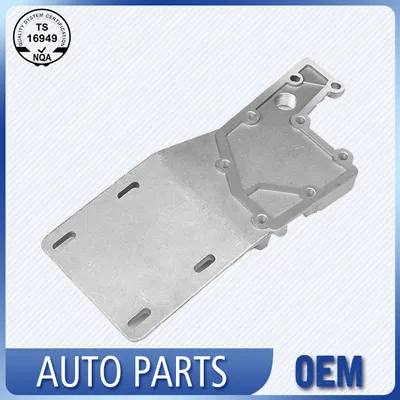
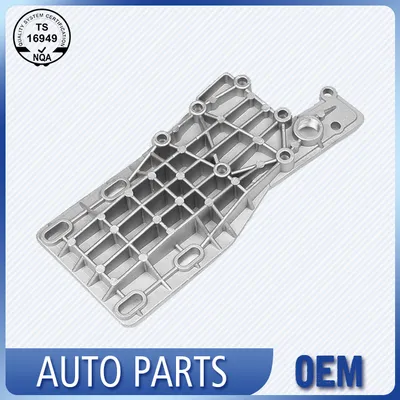
The pedal body uses 6061 aluminum alloy in the T6 condition, a grade recognized for its combination of medium to high strength, good machinability and consistent response to anodizing. Raw billets are cut from extruded plate stock and then shaped through a multi-axis CNC milling sequence that carves the outer contour, anti-slip grooves and mounting recesses in a single fixturing setup. This approach eliminates weld lines and preserves the homogeneous grain structure of the wrought material, contributing to uniform load distribution across the pedal face. Hardness samples taken from each production lot consistently fall between 90 and 100 HBW, confirming that the heat treatment has achieved the specified precipitation hardening state.
|
Model NO. |
TG40520 |
Material |
Aluminum Alloy |
|
OEM |
Yes |
Transport Package |
Bulk Packaging |
|
|
as Customer Requirements |
Specification |
|
|
Price |
Negotiate |
Origin |
China |
|
Trademark |
OEM |
Production Capacity |
1000Pieces/Week |
Crafted from aluminum alloy, aluminum alloy car pedal balances light weight and sturdy structure against frequent trampling. Precise machining fits diverse vehicle installation, flexible OEM customization meets global buyers’ bulk purchasing demands.
The pedal body uses 6061 aluminum alloy in the T6 condition, a grade recognized for its combination of medium to high strength, good machinability and consistent response to anodizing. Raw billets are cut from extruded plate stock and then shaped through a multi-axis CNC milling sequence that carves the outer contour, anti-slip grooves and mounting recesses in a single fixturing setup. This approach eliminates weld lines and preserves the homogeneous grain structure of the wrought material, contributing to uniform load distribution across the pedal face. Hardness samples taken from each production lot consistently fall between 90 and 100 HBW, confirming that the heat treatment has achieved the specified precipitation hardening state.
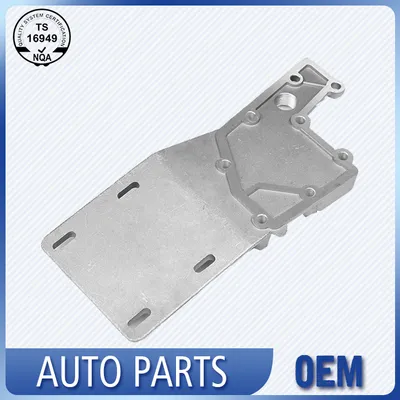
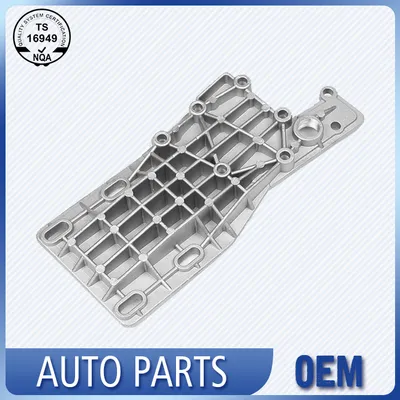
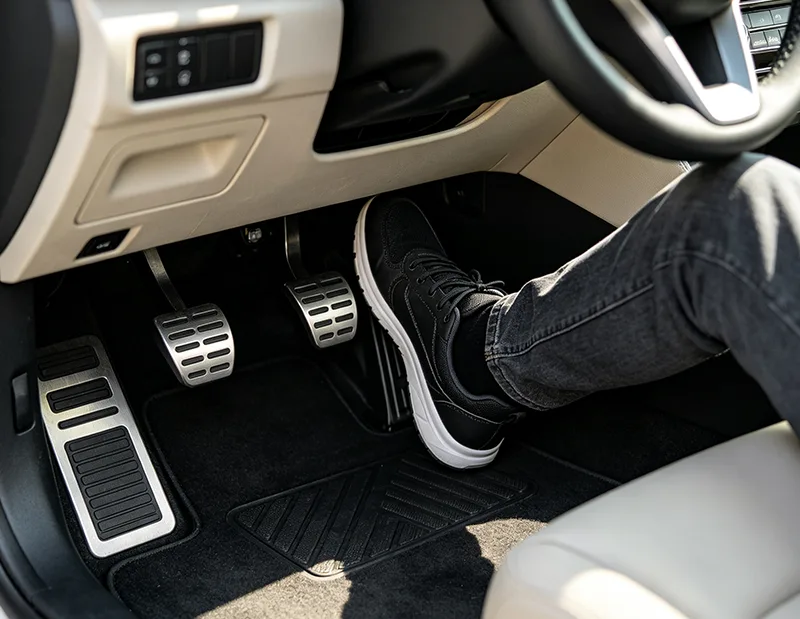
Aluminum alloy car pedal has compact integrated casting structure to bear continuous stepping load from drivers. It can keep original shape without bending or deformation under long-time frequent use, adapting to daily intensive driving conditions of various vehicles.
Aluminum alloy car pedal is machined with standard reserved mounting holes according to mainstream vehicle benchmarks. Standard size matches most models, meanwhile customizable dimensional parameters support OEM modification to satisfy clients’ personalized matching requirements.
A clear sulfuric acid anodizing treatment builds a translucent oxide layer typically 12 to 18 microns thick. This film serves as a hard barrier against moisture, sweat and interior cleaning agents, preventing the white powdery corrosion occasionally seen on bare aluminum. For pedals delivered in a silver tone, the natural anodized finish retains its brightness over extended use. Custom colors are achieved through organic dyeing followed by a nickel acetate seal that locks the pigment inside the pore structure. Colorfastness is evaluated in a laboratory xenon arc chamber according to ISO 105-B02, with a requirement of grade 4 or higher after 200 hours of exposure, ensuring the pedal does not fade noticeably under dashboard sunlight.
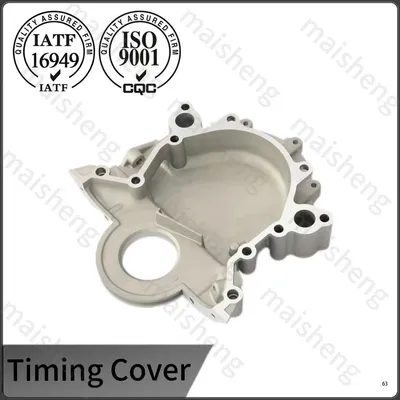
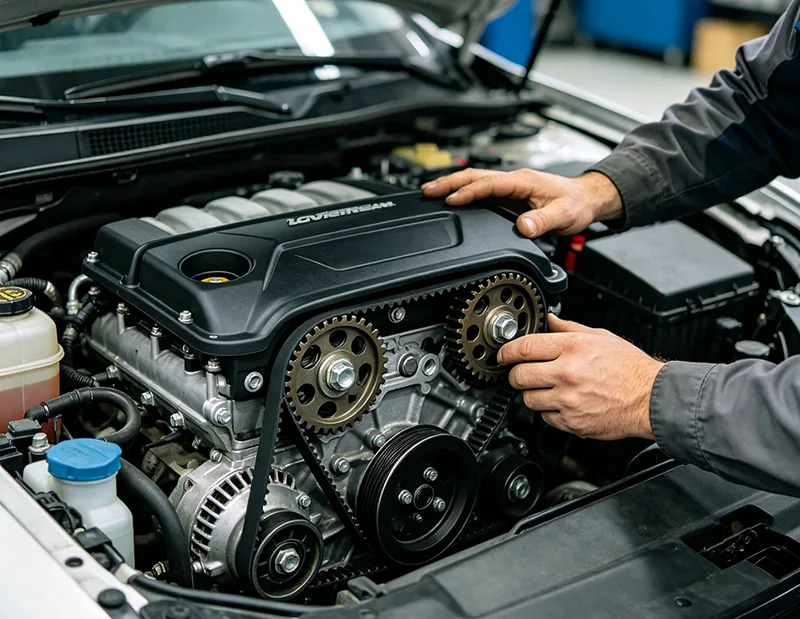
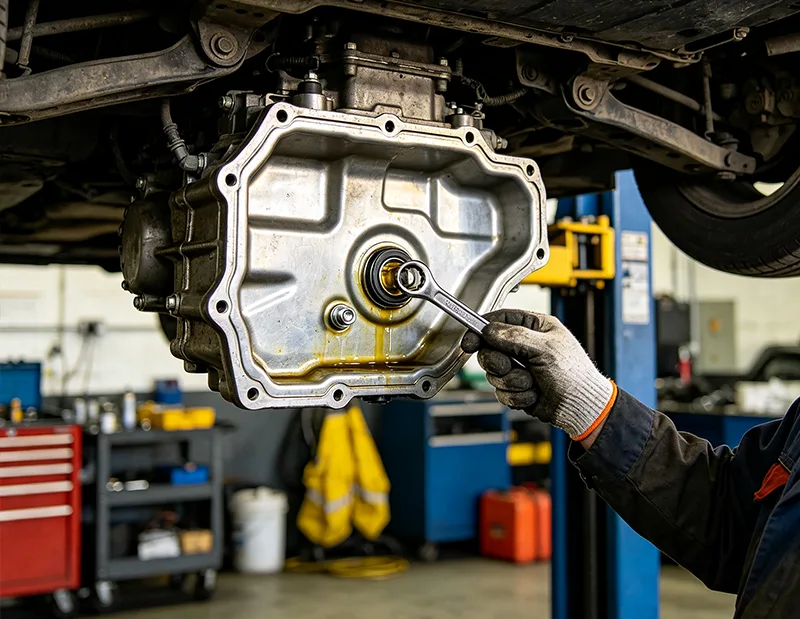
The manufacturing line draws on more than 25 years of precision automotive parts production. From the same facility that produces engine brackets, timing covers and oil pans under IATF 16949 certification, the pedal cell uses identical process discipline. Incoming aluminum sheets are verified via spark optical emission spectroscopy, and CNC programs are archived with revision control to ensure every reorder matches the approved first article. When customers submit pedal arm templates or vehicle models, our engineering group returns a 3D surface model with mounting proposal within five working days. Production part approval packages including dimensional reports from coordinate measuring machines, capability indices and material certificates are standard practice for OEM projects.
1.What vehicle types are aluminum alloy pedals applicable to?
A: They fit most mainstream fuel passenger cars, new energy EV/HEV vehicles, light commercial vans, performance modified cars and SUVs. Universal size pedals support most models, while custom dedicated pedals are produced according to OEM installation hole positions for perfect fitment without drilling damage.
2.What abnormal phenomena indicate the aluminum alloy pedal has quality or installation failure?
A: Obvious metal rattling noise during driving vibration; foot slipping frequently even in normal driving; pedal stuck and cannot reach full brake/accelerator stroke; aluminum plate surface large-area rubber block falling off; aluminum plate bending deformation after long-term stepping.
3.After reinstalling the aluminum pedal, there is still pedal jamming, what is the root cause?
A: Most problems are not product defects. Common causes: the original pedal has thick worn rubber residue not cleaned; the aluminum pedal clip is locked too tight to deform the original pedal arm; purchased wrong model mismatched pedal size. Clean residual sundries, adjust clip tightness or replace matched dedicated pedals to solve jamming.
4.What maintenance routine helps preserve the pedal anti-slip function over time?
A: Vacuum loose gravel from the anti-slip grooves once a month, then wipe the surface with a cloth dampened in soapy water. Avoid abrasive scouring pads that can scratch the anodized layer and expose raw aluminum. In regions with high humidity, a dry wipe after washing the car removes standing water droplets that may leave mineral rings. If the optional rubber inserts are fitted, check their edge adhesion every 20,000 kilometers; any lifted corner can be rebonded with a thin layer of two part structural acrylic adhesive.
Address
NO.556,Kangzhuang South road, Jiangbei District,Ningbo City, Zhejiang China
Tel
If you have any enquiry about quotation or cooperation, please feel free to email us at huyanping@nbmachinery.com or use the following inquiry form.Our sales representative will contact you within 24 hours. Thank you for your interest in our products.